
The Rise of User Protests in Gaming Platforms and What It Means

Anúncios
In 2026, user protests in gaming platforms have become the primary mechanism for holding developers accountable for anti-consumer practices.
What once began as minor forum complaints have escalated into sophisticated, industry-wide movements that can disrupt launch schedules and threaten corporate valuations instantly.
Players are no longer passive consumers; they are active stakeholders demanding transparency, ethical monetization, and data privacy in their digital experiences.
This shift forced major publishers to adopt new community engagement strategies or risk rapid community migration.
Understanding this dynamic is crucial for industry professionals, as it dictates the future of game design and platform policies.
Summary
- The Catalyst: Why Gamers are Taking a Stand
- How Digital Activism Reshapes Development Pipelines
- Why Transparency is the New Industry Gold Standard
- The Shift from Consumer to Stakeholder
- Technical Limitations and Ethical Boundaries
- What are the Long-term Risks for Gaming Ecosystems?
- Frequently Asked Questions
What is Fueling the Surge of Gamer Protests?
The primary driver behind this phenomenon is the deepening monetization of interactive experiences. Players now invest thousands of hours and significant capital, demanding a seat at the decision-making table.
When corporations implement aggressive “pay-to-win” mechanics or predatory loot box systems, the backlash is instantaneous. These actions are no longer seen as business tweaks but as breaches of digital trust.
Furthermore, the “always-online” nature of modern titles means players are vulnerable to server shutdowns. This precarious ownership of digital goods fuels a sense of urgency in protecting consumer rights today.
How Does Community Feedback Impact Development?
Game designers can no longer operate in a vacuum, as real-time feedback loops dictate the viability of post-launch content. Studios now integrate “Community Councils” to vet major mechanical changes.
| Protest Strategy | Primary Objective | Tangible Market Result |
| Targeted Review Bombing | Alerting potential new buyers | Immediate price drops / Fixes |
| Organized “Blackout” Days | Severing active user metrics | Investor pressure on publishers |
| Refund Campaigns | Direct economic disruption | Reversal of anti-consumer patches |
This shift forces a transition from “Product-as-a-Service” to “Community-as-a-Partner.” Developers who ignore these signals face catastrophic launches, as seen in recent high-profile industry labor disputes and consumer revolts.
Why Are Players Demanding Transparency? User Protests in Gaming Platforms
Users demand to know exactly how their personal data is harvested and utilized for algorithmic matchmaking. They rightfully suspect systems engineered to prioritize engagement metrics over genuine player satisfaction.
Privacy concerns have reached a boiling point in 2026, with players boycotting platforms that utilize intrusive kernel-level anti-cheat software. These tools are often perceived as overreaching and potentially insecure.
++ How AI-Generated Podcasts for Gamers Could Change Game Media Forever
When executive leadership hides behind corporate jargon, the community reacts with skepticism. Direct, honest communication regarding technical limitations is the only way to de-escalate a potential public relations crisis.
The Shift from Consumer to Stakeholder
The modern gamer no longer views themselves as a simple customer. They act as stakeholders in the ecosystem, demanding long-term value for their time and financial investments in virtual assets.
Impact on Game Longevity
When a platform fails to maintain a game properly, players feel justified in protesting to protect their investment in that virtual space. This is a crucial distinction in modern digital ownership.
The Power of Collective Action
Platforms are now realizing that a coordinated, peaceful protest can be more damaging than a hacker attack. These actions disrupt the community sentiment, which is the lifeblood of live-service games.
Read more: The Role of Mods in Extending the Life of Video Games
Technical Limitations and Ethical Boundaries
Protests often arise not just from greed, but from ethical failures in design. Players are increasingly aware of psychological manipulation techniques hidden within game loops and monetization strategies.
Addressing Psychological Manipulation
Developers must address concerns about loot boxes being akin to gambling. User protests in gaming platforms will continue until regulations or industry standards align with ethical consumption practices.
Data Privacy and Safety
Another major friction point is the unauthorized sharing of user data with third-party partners. Players now demand strict adherence to privacy laws and transparency in how data is processed.
What Are the Consequences for Major Platforms?
Platforms that dismiss user grievances face rapid de-valuation and a tarnished brand identity. A single poorly managed controversy can lead to a mass exodus of the most loyal, high-spending players.
Competitive pressure is at an all-time high, with decentralized platforms offering alternatives for disgruntled users. This migration proves that brand loyalty is no longer guaranteed in a transparent market.
++ Mass Effect Legendary Edition: Lead Your Crew and Save the Galax
Moreover, developers often spend millions of dollars reverting updates that the community rejected. This reactive cycle is financially unsustainable compared to a strategy based on proactive, honest engagement from day one.
Conclusion
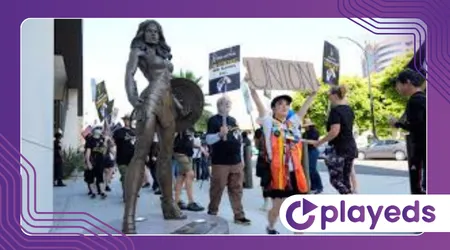
User protests in gaming platforms are the new checks and balances of the digital age, ensuring that corporate greed does not overshadow artistic integrity. Ignoring these movements is a recipe for failure.
As we move forward, the most successful companies will be those that view their audience as stakeholders. Building a sustainable ecosystem requires more than code; it requires a foundation of mutual respect.
To understand the broader implications of these shifts on digital marketplaces, monitor the official Steam update logs and community-driven advocacy groups leading the charge for change.
FAQ
What defines a successful user protest?
A protest is successful when it forces a measurable change in corporate policy, such as the removal of predatory monetization or the restoration of promised features.
Are these protests purely financial?
While financial impact is a major lever, many movements focus on ethical concerns, such as data privacy, labor conditions for developers, and inclusive community standards.
How can companies rebuild broken trust?
Trust is rebuilt through consistent transparency, admitting failures without caveats, and involving the community in the roadmap for future updates and systemic changes.
Do boycotts actually work in 2026?
Yes, because modern live-service games rely on high concurrent player counts. Even a 10% drop in active users can disrupt matchmaking and signal a “dead game” to investors.
++ Our industry has been strip-mined’: video game workers protest at The Game Awards
