
Phantom Fury: Blast Through Explosive Levels with Powerful Weapons
Anúncios
Phantom Fury delivers a punchy throwback to retro-fps design, blending old-school boomer-shooter sensibilities with interactive modern level mechanics.
Developed by Slipgate Ironworks and published by 3D Realms, the game places players back in the tactical combat boots of Shelly “Bombhsell” Harrison.
Moving past her isometric and Ion Fury roots, Harrison fights across massive environments using a devastating arsenal designed to challenge reflexes and spatial awareness.
Key Takeaways
- Dynamic Weapon Mechanics: Unique primary and secondary firing modes reshape encounter strategies.
- Level Scale & Interaction: Expansive, interactive environments offer vertical combat and physics-driven mechanics.
- Skill Progression System: Upgrade trees allow customized loadouts suited for varying gameplay styles.
- Modernized Retro Engine: Fast-paced movement mechanics rooted in late 90s first-person shooter classics.
What Makes Phantom Fury Stand Out in the Modern Shooter Landscape?
Combat flow sets this title apart from contemporary arena shooters. Players manage weapon combinations, movement vectors, and resources while navigating labyrinthine stages.
The game avoids automated hand-holding, forcing direct engagement with spatial layouts and enemy behavior patterns. Every arena demands active repositioning, cover utilization, and precision shot placement.
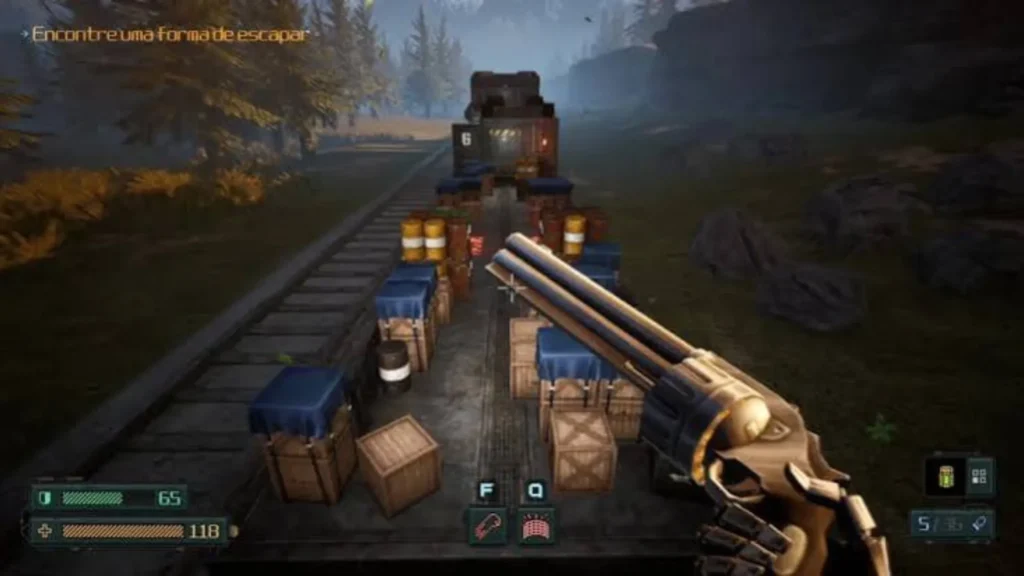
Interactive environments play an essential role during firefights. Crates, explosive barrels, and environmental hazards act as secondary weapons when ammo runs dry.
Computer terminals, vehicle segments, and mechanical puzzles break up the intense gunplay, grounding the world in a distinct cybernetic fiction without stalling the pacing.
Which Weapons Offer the Most Combat Versatility?
Arsenal variety dictates survival against late-game encounters. Players access classic ballistic weapons alongside experimental plasma technology.
Mastery requires toggling between weapon modes mid-fight to strip armor or clear dense clusters of foes.
Loverboy: Shelly’s signature triple-barrel revolver features a multi-target locking mechanism for fast room clearing.
Disperser Shotgun: Delivers high close-range kinetic damage with alternative explosive ordnance rounds.
Ion Bow: Provides silent long-range precision shots capable of penetrating energy shielding.
++ Marvel’s Spider-Man: Miles Morales – Protect New York with Style and Power
Bowling Bombs: Deployable explosive spheres that track targets along floor surfaces and around corners.
| Weapon Name | Primary Fire Mode | Secondary Fire Mode | Optimal Target Type |
|---|---|---|---|
| Loverboy | High-Caliber Revolver | Multi-Lock Auto-Aim | Light Infantry / Flying Drones |
| Disperser | Heavy Buckshot Blast | Explosive Grenade Shell | Armored Melee / Clustered Foes |
| Ion Bow | Charged Energy Bolt | Sniper Zoom / Shield Piercing | Long-Range Turrets / Snipers |
| Plasma Rifle | High-Velocity Cell Blast | Energy Beam Discharge | Heavy Biomechanical Units |
How Do Skill Upgrades Impact Gameplay Strategy?
Player progression relies heavily on bionic arm upgrades acquired throughout the campaign.
Defeating elites yields technology components used at modification stations. Upgrades alter tactical options rather than merely boosting damage stats.
Unlocking the bionic punch opens up immediate melee finishers, restoring vital resources under heavy pressure.
Installing directional dash boosters allows swift evasive maneuvers across large arenas, helping players dodge tracking projectiles.
Read here: Atomic Heart 2: Explore a Twisted Future Filled with Dangerous Machines
Upgrading radar capabilities reveals hidden secrets, weapon mods, and side paths tucked away inside complex levels. Strategic choices at modification stations directly influence combat survivability.
Why Is Map Architecture Critical to the Combat Loop?
Level design balances vertical navigation with claustrophobic corridor combat.
Complex corridors open into massive outdoor battlegrounds filled with snipers, flying vehicles, and heavy biomechanical threats. Movement remains the primary defense mechanism against hostile forces.
Exploring secondary routes reveals essential ammo caches and upgrade materials. Hidden areas encourage lateral thinking, often requiring physics interaction or precise platforming to reach high-tier loot.
Navigating complex layouts keeps mechanics fresh throughout extended play sessions.
Detailed world design elements can be further analyzed through the U.S. Copyright Office Public Records database for registered game properties and trademarks.
What Upgrades Should You Prioritize First?
Early investment in mobility tools drastically improves combat success rates. Equipping the directional dash immediately reduces damage taken from aggressive melee units.
Following up with bionic strength boosts allows players to throw heavy objects across arenas, preserving ammunition during protracted boss encounters.
Upgrading weapon alt-fires early creates powerful combo opportunities. Enhanced grenade launcher attachments strip boss armor quickly, leaving soft targets exposed to high-rate-of-fire primary weapons.
Strategic resource investment transforms difficult encounters into manageable combat puzzles. For research on interactive media software standards, consult the National Institute of Standards and Technology database.
How Does the Bionic Arm Redefine In-Game Tactics?
Shelly’s cybernetic arm functions as more than a narrative device; it serves as a core combat mechanic.
Players unlock specialized abilities like ground slams, electric shocks, and kinetic shields that turn defensive panics into offensive opportunities. Blending melee strikes with firearms creates fluid combat loops.
++ Descenders: Ride Dangerous Downhill Trails and Test Your Skills
Managing energy cooldowns while keeping track of ammo adds a layer of tactical resource management that keeps late-game encounters engaging and highly unpredictable.
Why Do Environmental Physics Matter in Modern FPS Design?
Static level environments no longer satisfy fans of retro-inspired shooters. Interactive objects allow players to manipulate arenas to their advantage during chaotic firefights.
Throwing explosive canisters, destroying cover, or activating crane hazards reshapes the battlefield dynamically.
This tactile feedback rewards creative problem-solving over simple aim skills. Integrating real-time physics engine mechanics ensures no two combat encounters play out identically, significantly boosting replay value across every level.

What Is the Best Approach for Beating High-Difficulty Bosses?
Boss encounters require analyzing attack patterns rather than relying purely on bullet-spam tactics. Prioritizing mobility keeps players alive when bosses deploy tracking projectiles or area-of-effect hazards.
Utilizing the environment for temporary cover allows players to charge heavy weapon alt-fires safely.
Alternating between armor-striking weapons like the Disperser and high-velocity precision tools like the Ion Bow maximizes damage output during brief vulnerability windows, turning long boss fights into rewarding tests of skill.
FAQ
What platform is Phantom Fury available on?
The game is available on PC via Steam, alongside major modern consoles including PlayStation 5, Xbox Series X/S, and Nintendo Switch.
Is Phantom Fury a direct sequel to Ion Fury?
Yes, the story continues the journey of Shelly “Bombshell” Harrison, transitioning from the sprite-based Build Engine of Ion Fury into a fully 3D interactive world.
Does the game support multiplayer modes?
The campaign focuses entirely on a single-player narrative experience, prioritizing level detail, environmental interaction, and tailored combat encounters over competitive multiplayer modes.
++ Phantom Fury Review – Bowling Bombs Away
++ Phantom Fury review – Bloody, messy, and buggy retro anarchy
