
Selaco: Experience Intense Gunfights in a Destructible Sci-Fi World
Anúncios
Surviving the shattered glass and crumbling concrete of a besieged underground city requires more than just fast reflexes; Selaco demands absolute tactical mastery.
This highly acclaimed indie shooter fuses the nostalgic charm of classic 90s aesthetics with devastatingly modern combat mechanics.
Players step into the role of Dawn, a security captain fighting to repel a mysterious invading force from an underground refuge known as the ACE facility.
Instead of mindless run-and-gun action, the experience delivers a methodical, high-stakes tactical challenge that punishes predictability.
Key Takeaways
- Dynamic AI: Opposing squads communicate, execute flanking maneuvers, and flush players out of static cover.
- Voxel Destruction: Every firefight leaves a permanent, chaotic mark on the environment, altering room layouts.
- Fluid Mobility: Sliding, dodging, and vaulting dictate the pace of survival and aggressive pushing.
- GZDoom Innovation: The development team pushes a legacy software engine to unprecedented technical limits.
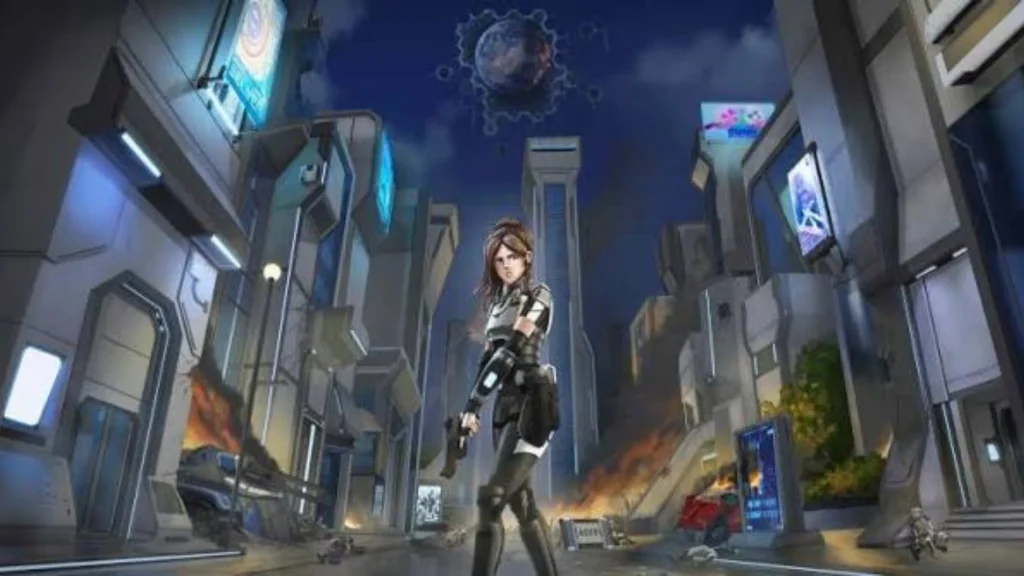
What Makes Selaco Stand Out in the Retro Shooter Genre?
Many titles attempt to capture the magic of classic boomer shooters by relying purely on high movement speed and pixelated graphics.
Developer Altered Orbit Studios takes a radically different approach by injecting complex, overlapping systems into a nostalgic framework.
You navigate a sprawling sci-fi facility under heavy siege, acting as a highly trained enforcer rather than an invincible doom-slayer.
Every encounter functions like a high-stakes puzzle where standing still guarantees failure.
The design draws heavy inspiration from the legendary combat loop of 2005’s F.E.A.R., forcing players to adapt constantly to an ever-changing battlefield.
Developers carefully balance retro visuals with modern physics, creating a distinct subgenre that prioritizes tactical thinking over raw reaction time.
How Does the Destructible Environment Impact Gameplay?
Cover acts as an illusion when high-caliber rounds tear through office partitions, glass windows, and concrete pillars.
Firefights instantly transform pristine corporate lobbies into unrecognizable warzones filled with debris, sparks, and thick smoke.
This voxel-based destruction operates beyond mere visual flair; it directly dictates your moment-to-moment survival strategy.
Holding a single defensive position quickly becomes impossible as invading squads chip away at your physical barriers.
++ Phantom Fury: Blast Through Explosive Levels with Powerful Weapons
You must continuously scan the room for new vantage points while the architecture literally crumbles around you. Choke points evolve organically during a battle, forcing rapid repositioning.
| Gameplay Element | Traditional Retro Shooters | Selaco’s Tactical Ecosystem |
| Cover Reliability | Permanent and entirely indestructible. | Temporary; degrades rapidly under heavy enemy fire. |
| Visual Feedback | Static bullet decals painted on flat walls. | Shattered glass, physics-based debris, blinding smoke clouds. |
| Movement Strategy | Camp behind safe zones to heal or reload. | Constant tactical rotation to avoid being exposed or cornered. |
| Environmental Hazards | Scripted, highly visible explosive barrels. | Unpredictable chain reactions from destroyed facility machinery. |
What Are the Core Combat Mechanics?
Mastering the extensive arsenal represents only half the battle. Weapons punch with incredible ferocity, offering distinct alternate fire modes that cater to different engagement distances and enemy types.
Standard assault rifles shred heavy armor at mid-range, while tactical shotguns obliterate close-quarters threats attempting to breach your personal space.
Mobility tools seamlessly integrate with your offensive capabilities, turning movement into a weapon.
Sliding into a room while firing a submachine gun disrupts enemy sightlines and creates brief windows of opportunity for aggressive pushes.
Resource management strictly governs pacing, as players must scavenge armor plates and health kits mid-battle to maintain momentum.
Analyzing the evolution of tactical pacing in gaming, prominent design institutions like Game Developer, frequently highlight how combining aggressive mobility with vulnerable health pools creates the most engaging modern combat loops.
This delicate balance ensures that every victory feels earned through strategic execution rather than brute force.
Which Strategies Work Best Against the Dynamic AI?
Fighting the invading forces feels akin to battling a coordinated human multiplayer team rather than dealing with scripted bots.
Opponents actively communicate their intentions aloud, call out your last known position, and deploy heavy suppressing fire to cover advancing squadmates. They react to your specific loadout and current tactics.
If you retreat into a narrow corridor, enemies will throw flashbangs or flank through adjacent air ducts rather than filing mindlessly into your crosshairs.
Read more: Atomic Heart 2: Explore a Twisted Future Filled with Dangerous Machines
Pushing aggressively into their formations often scatters them, forcing them to regroup and find new cover.
Players must prioritize high-value targets, such as squad leaders who coordinate these complex maneuvers, to break the enemy’s structural cohesion.
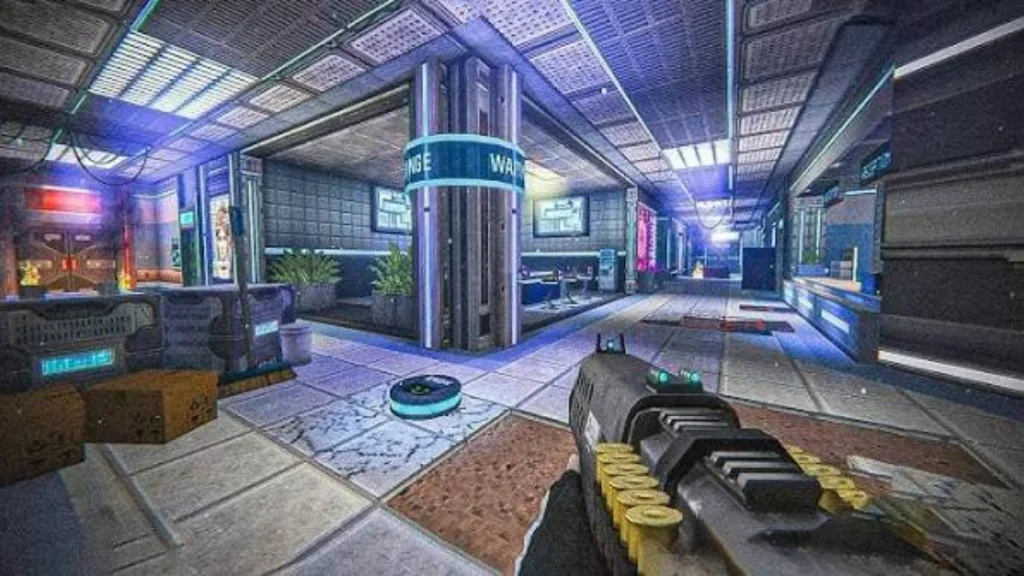
Why Does the Engine Technology Matter?
Altered Orbit Studios built this demanding tactical experience on a heavily modified version of the GZDoom engine, a framework originally designed decades ago.
++ Family Island: Help a Family Survive and Thrive on a Remote Island
They implemented modern rendering techniques, advanced physics calculations, and complex dynamic lighting systems rarely seen in this legacy software.
Volumetric fog reacts to explosions, while dynamic light sources cast terrifying, shifting shadows across the bloodstained floors.
Pushing older technology to its absolute breaking point allows for incredibly optimized performance without sacrificing visual density.
Academic examinations of software longevity on platforms like MIT Technology Review showcase how open-source legacy engines often provide developers with the raw flexibility needed to innovate without the bloat of modern proprietary tools.
This unique technical foundation gives the game its distinct, gritty atmosphere.
Next steps for players involve jumping into the game’s robust modding scene.
The community actively releases custom campaigns, weapon rebalances, and difficulty modifiers that expand the core experience far beyond the initial narrative campaign.
Dive into the user-generated content to truly test your tactical mastery.
Frequently Asked Questions
What exactly is Selaco?
It is a highly tactical, retro-inspired first-person shooter running on a modified GZDoom engine.
It heavily features destructible environments, smart enemy AI, and a deep sci-fi narrative set in an underground facility.
Does the game offer a fully linear campaign?
While a central narrative drives the objective forward, individual levels feature sprawling, interconnected designs.
The structure encourages players to explore hidden areas, backtrack for valuable secrets, and discover lore data pads.
How does the difficulty scaling work?
Higher difficulties avoid the common pitfall of turning enemies into bullet sponges.
Instead, the scaling enhances the AI’s aggressiveness, improves their tactical coordination, and sharply reduces the availability of health and armor pickups.
Is there native support for community mods?
Yes. Given its deep roots in the classic Doom engine community, robust modding support serves as a core pillar of the release.
Players can easily integrate custom maps, visual overhauls, and entirely new weapon sets into the base game.
++ Selaco: An Upcoming First-Person Shooter Inspired by F.E.A.R. & the Original DOOM
++ Selaco – Official Early Access Release Window Trailer
