Anúncios
Pragmata challenges players to survive a hostile lunar research station where fast reflexes and heavy firepower alone are never enough.
In Capcom’s sci-fi action-adventure title, you face heavily armored robotic threats that deflect standard gunfire until you dismantle their defenses.
Mastering the game’s dual-character dynamic—combining tactical hacking puzzles with third-person gunplay—is the key to neutralizing threats quickly before your oxygen or health runs out.
Whether you are trying to understand how the real-time hacking mechanics work under fire or looking for efficient strategies to clear enemy waves, knowing how to synchronize combat and puzzle-solving will dramatically improve your survival rate on the Moon.
Key Takeaways
- Dual-character synergy drives every encounter: Hugh handles ranged combat and mobility, while Diana executes real-time hacking grids to strip enemy armor and expose weak points.
- Speed and pattern recognition matter: Combat puzzles unfold while enemies actively attack, meaning you must read node pathways quickly and use thruster dashes to create breathing room.
- Environmental hazards amplify damage: Hacking nearby lunar station terminals can stun groups of machines or trigger depressurization traps, saving valuable ammunition.
- Prioritize target disruption over raw damage: Breaking an enemy’s shield protocol immediately interrupts lethal wind-up attacks, turning defensive scrambles into offensive openings.
What Is Pragmata and How Does Its Core Gameplay Work?
Pragmata is a third-person science fiction action-adventure game developed and published by Capcom, set in a dystopian near-future on a fractured lunar research facility.
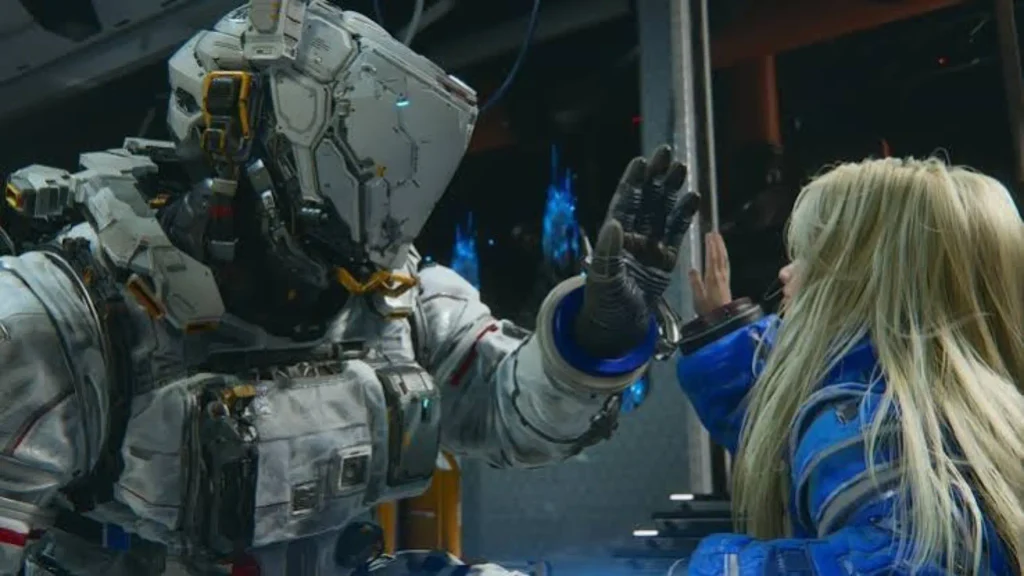
Following multiple development updates and showcase reveals—including Capcom’s official trailers and PlayStation Store listings—the game centers on an astronaut named Hugh Williams and an android companion named Diana as they navigate a rogue AI-controlled moon base and attempt to return to Earth.
Unlike standard cover shooters that reward spraying ammunition at bullet-sponge bosses, this action title structures combat around vulnerability windows.
Hostile lunar bots feature dense composite plating that deflects standard kinetic rounds.
To deal meaningful damage, players must coordinate Hugh’s weaponry and thruster-assisted movement with Diana’s ability to breach enemy operating systems in real time.
Why Do Combat Puzzles Slow Down Players on the Lunar Mission?
Many players struggle during early encounters because they treat shooting and puzzle-solving as two separate phases.
In high-pressure arenas, standing still while trying to solve a hacking grid leaves Hugh exposed to flanking drones, laser sweeps, and heavy melee charges.
Common mistakes that slow down encounters include:
Tunnel vision during hacks: Focusing exclusively on the puzzle overlay without tracking enemy attack cues or audio warnings.
Wasting heavy ammo on shielded targets: Firing high-caliber rounds before Diana completes a breach wastes scarce lunar resources for minimal chip damage.
++ Scott Pilgrim EX: Master Combos and Explore a Fractured Toronto
Ignoring spatial positioning: Attempting a complex hack in an open corridor instead of using low-gravity dashes to put cover between yourself and incoming fire.
How to Solve Combat Puzzles Fast in Pragmata
Speeding up your combat loop comes down to muscle memory, smart positioning, and knowing which nodes to prioritize when the hacking interface opens.
1. Create Space Before Initiating a Hack
Low lunar gravity gives Hugh extended aerial hang time and directional thruster boosts. Before triggering Diana’s interface, use a lateral dash or vertical boost to break line of sight with ranged enemies.
Read more: Forever Winter: Survive Massive Wars in a Brutal Postwar World
Even two seconds of obstructed vision gives you enough time to trace a clean path across the puzzle grid without taking damage.
2. Read the Grid From the Exit Node Backward
When a combat puzzle appears, your instinct might be to start tracing from the entry point and test branches by trial and error.
Instead, scan the target exit node first and work backward to your starting point.
++ Flick Kick Football Legends: Score Amazing Goals with Precision and Skill
Identifying dead ends in reverse takes a fraction of a second and prevents wasted inputs while enemy projectiles are closing in.
3. Chain Stuns With Environmental Terminals
Lunar research modules are packed with automated maintenance nodes, pressurized conduits, and gravity stabilizers.
When surrounded by multiple machines, hack an environmental terminal rather than an individual robot.
Overloading a station relay often triggers an electromagnetic pulse or localized hazard that stuns an entire squad at once, letting you eliminate smaller drones with standard sidearm fire.
4. Follow a Repeatable Combat Loop
Building a consistent rhythm keeps you from panicking when larger mechanical units enter the arena:
Tag and stagger: Fire quick kinetic bursts to slow an advancing target and confirm its shield type.
Reposition: Dash behind structural cover or elevate using your suit thrusters.
Execute the breach: Solve Diana’s directional or node-matching grid using reverse pathfinding.
Punish the weak point: Immediately switch to high-impact weapons during the armor-break window to maximize critical damage.
Combat Roles and Tactical Breakdown
Understanding how Hugh, Diana, and the lunar environment interact helps you assign clear priorities during chaotic fights.
| Tactical Element | Primary Role | Best Use Case | Key Advantage |
| Hugh (Astronaut) | Mobility, ranged suppression, and heavy finishers | Exploiting exposed cores after a successful hack | Thruster dashes create safe windows for puzzle execution |
| Diana (Android) | Real-time system breaches and armor stripping | Neutralizing shielded mechs and boss defenses | Turns invulnerable enemies into high-damage targets |
| Station Terminals | Crowd control and environmental hazards | Multi-enemy ambushes in tight lunar corridors | Conserves ammunition while interrupting group attacks |
| Low-Gravity Movement | Vertical evasion and flanking | Dodging ground shockwaves and laser sweeps | Extends sightlines to spot puzzle nodes and escape routes |
How Does Real-World Lunar Physics Inspire the Setting?
While Pragmata leans heavily into speculative science fiction with rogue androids and energy weapons, its bleak lunar backdrop draws directly from real aerospace challenges.
The Moon’s surface lacks a breathable atmosphere, exposes equipment to extreme thermal swings, and features roughly one-sixth of Earth’s surface gravity, as documented in NASA’s Moon exploration overview.
In gameplay terms, that low-gravity environment translates into deliberate, momentum-based traversal. Players cannot stop on a dime mid-air, meaning every thruster boost commits you to a trajectory. Factoring momentum into your movement ensures you land behind solid cover right as you finish a puzzle rather than drifting into an enemy’s line of fire.
Preparing for Late-Game Boss Encounters
As you progress deeper into the facility, enemy firewalls evolve.
Late-game encounters introduce multi-layered security grids, rotating blocker nodes, and timed countermeasures that reset if you hesitate too long.
To stay ahead of escalating difficulty:
Upgrade breach efficiency early: Whenever resource nodes allow upgrades, prioritize faster cursor speed or wider error margins on Diana’s hacking tools over minor weapon magazine increases.
Clear support drones first: Small repair and shielding units often regenerate boss defenses; eliminating them first prevents you from having to solve the same armor puzzle twice.
Listen for audio cues: Distinct mechanical chimes signal when an enemy is charging an unblockable strike or when a hack is one node away from completion, allowing you to react without taking your eyes off the center of the screen.
Conclusion
Winning fights quickly in Pragmata is all about treating puzzle-solving as an active combat skill rather than a pause in the action.
By using low-gravity dashes to buy breathing room, scanning hacking grids backward from the exit node, and saving heavy ammunition strictly for post-breach weak points, you can dismantle even the toughest lunar machines efficiently.
Start practicing reverse grid scanning in standard skirmishes so the motion becomes second nature before major boss fights.
Frequently Asked Questions
What platforms is Pragmata available on?
Capcom announced Pragmata for PlayStation 5, Xbox Series X|S, and PC.
Because release schedules and platform availability have been updated across official showcases, check the official Capcom website or your preferred digital storefront for the latest platform and edition details.
Is Pragmata more of a shooter or a puzzle game?
It is an action-adventure hybrid that blends third-person shooting with real-time tactical puzzles.
You cannot rely solely on aiming skills, as enemy armor requires solving hacking sequences to create vulnerability windows.
How do you break enemy armor quickly in Pragmata?
Use Hugh’s thrusters to dash behind cover, activate Diana’s hacking interface, and trace the path from the exit node backward to strip the target’s firewall.
Once the shield drops, immediately target the exposed core with high-damage weapons.
Does lunar gravity affect combat movement?
Yes. Low gravity gives your character higher jumps and longer thruster glides, which helps you evade ground attacks and gain high ground, though momentum makes mid-air direction changes more deliberate.
++ PRAGMATA Full Gameplay Walkthrough / No Commentary
++ How Capcom’s Pragmata blends puzzle-solving with sci-fi combat