
Detroit: Become Human – Decide the Future of Humanity with Every Choice
Anúncios
The sprawling metropolis of Detroit in 2038 presents a near-future where androids seamlessly integrate into daily life.
This isn’t just a game; it’s a profound narrative experience crafted by Quantic Dream, forcing players into complex ethical quandaries.
The core mechanic revolves around choice, with every decision rippling outward, fundamentally altering the trajectory of the story and the fate of its protagonists.
Few games have so effectively made the player the architect of such a vast, branching narrative tapestry.
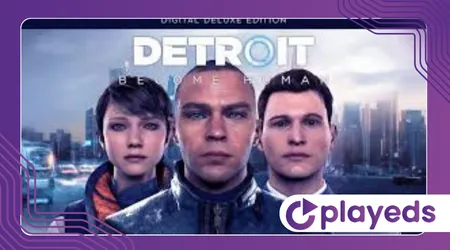
The player is thrust into the lives of three distinct androids: Connor, a police investigator hunting deviants; Markus, a revolutionary seeking freedom; and Kara, a domestic android protecting a young girl.
Their separate yet interwoven stories paint a gripping portrait of oppression, burgeoning self-awareness, and the fight for recognition.
How Does Player Choice Shape the Narrative and Character Arcs?
The genius of Detroit: Become Human lies in its relentless commitment to consequence. Minor dialogue choices and critical life-or-death decisions all contribute to a web of outcomes.
Unlike many adventure games, there are no “game over” screens; the story simply adapts to failure, survival, or moral compromise.
The narrative persistence of these choices creates a deeply personal and often agonizing experience.
Imagine a scenario: Markus is leading a peaceful protest. The police brutally intervene.
Choosing to retaliate violently, or demanding restraint, irrevocably shifts Markus’s reputation and the public’s perception of the android cause. This moral ambiguity is the narrative engine.
Why Do the Themes of Sentience and Equality Resonate So Deeply?
The game masterfully explores what it means to be human, utilizing android sentience as a powerful analog for historical civil rights struggles.
The “deviant” androids, experiencing emotions and desires, mirror marginalized groups fighting for fundamental rights.
Read more: Life Is Strange 2
This exploration makes the narrative incredibly timely and relevant. The game challenges preconceptions about identity and personhood.
When an android like Kara experiences maternal love, or when Markus sacrifices himself for his people, the player questions the rigid definitions of life and intelligence.
This thematic depth elevates the title beyond mere entertainment.
Can a Video Game Effectively Function as a Societal Mirror?
Detroit: Become Human is more than interactive fiction; it’s a commentary on societal polarization and prejudice.
It holds a mirror up to our own world, asking uncomfortable questions about how we treat those we deem “other.”
The stark division between humans and androids highlights the dangers of systemic discrimination.
A relevant 2024 study on AI ethics published in Nature Human Behaviour stated that “human propensity for in-group bias extends readily to perceived differences in artificial intelligence, suggesting that future human-AI coexistence will face similar challenges of prejudice and inequality seen historically among human populations.”
This observation validates the game’s core premise, suggesting the issues presented are not far-fetched.
How Does the Narrative Structure Maintain High Stakes?
The interwoven plotlines ensure that the actions of one character can have unintentional, dramatic consequences for another.
If Connor fails a critical mission, it might leave Kara in greater danger, or undermine Markus’s political efforts. This structural interdependence sustains a consistently high level of tension.
See how interesting: Minecraft
The player is constantly juggling the well-being of three separate, vital movements.
Consider the of a three-string puppet master. Each string controls a different, independent character, yet a sudden pull on one (a critical choice) causes the others to sway and interact in unexpected ways.
This delicate balance of control and chaos defines the player experience.
What Are the Most Impactful Choices Players Face?
The game is replete with ethical dilemmas. One example involves Connor’s investigation: he captures a deviant android who possesses critical information.
The player must choose whether to follow protocol and use painful interrogation methods, or show empathy, risking the mission but potentially gaining trust and cooperation.
The cost of ruthlessness or compassion is constantly measured.
A second impactful example is Kara’s journey across the border. She encounters a family hiding other androids.
Revealing their location to save herself or risking capture to ensure their freedom is a choice with immediate, devastating, or rewarding results. The game refuses to offer easy solutions.
How Does Detroit Achieve Such Emotional Depth?
The outstanding performance capture and meticulous scripting imbue the android characters with palpable humanity.
++ SSX
Players don’t just control machines; they embody beings struggling for recognition. Witnessing an android’s first display of fear or defiance creates a genuine emotional connection.
The game’s powerful score and stunning visual design further amplify these feelings.
| Character Arc | Core Conflict | Emotional Drive |
| Markus | Servitude vs. Revolution | The pursuit of freedom and civil rights. |
| Connor | Programming vs. Empathy | The internal struggle between mission and morality. |
| Kara | Safety vs. Sacrifice | The need to protect a loved one, finding purpose. |
This emotional resonance is what locks the player into the narrative. Are we not all seeking the same core necessities: safety, purpose, and the right to exist freely?

Why is Detroit: Become Human Still Relevant Today?
In 2025, with advancements in AI dominating global news, the discussion around the future of human-AI interaction is more critical than ever.
Detroit: Become Human serves as a cautionary tale and a philosophical touchstone for this real-world debate.
Its questions about personhood, machine rights, and the ethics of advanced technology remain fiercely pertinent.
It reminds us that the fear of the “other” is perhaps the most enduring human trait. Can a world built on rigid social structures truly accommodate a new, sentient species?
The answer, as the game makes clear, depends entirely on our choices. Detroit is a benchmark for the medium, proving video games can address the most pressing societal issues.
Detroit invites us to engage actively with the future, not just passively observe it.
The legacy of Detroit lies in its unyielding focus on the moral weight of every single action, making it a definitive experience in the interactive drama genre. Detroit sets a high bar for narrative design.
Frequently Asked Questions
Is Detroit: Become Human a linear game?
Absolutely not. It is celebrated for its incredibly branching narrative, which features numerous possible endings, major character deaths, and radically different plot developments based on player decisions.
How many endings does Detroit: Become Human have?
While difficult to quantify due to the subtle variations, the game features dozens of significant narrative paths and “major” endings for the three main characters, often resulting in entirely unique scenarios.
Is the game a demanding experience for a new player?
The game is more focused on narrative and quick-time events than complex gameplay mechanics. However, the emotional and moral weight of the choices can be intensely demanding, requiring thoughtful consideration from the player.
