
Imitador: Experimenta la vida a través de los ojos de un gato de refugio
Anuncios
In 2026, the mobile game Copycat emerged as one of the most poignant narrative adventure titles in recent memory.
Developed by Spoonful of Sugar, this indie gem captures the precise emotional weight, behavioral nuance, and sensory landscape of a rescue animal navigating abandonment and adoption.
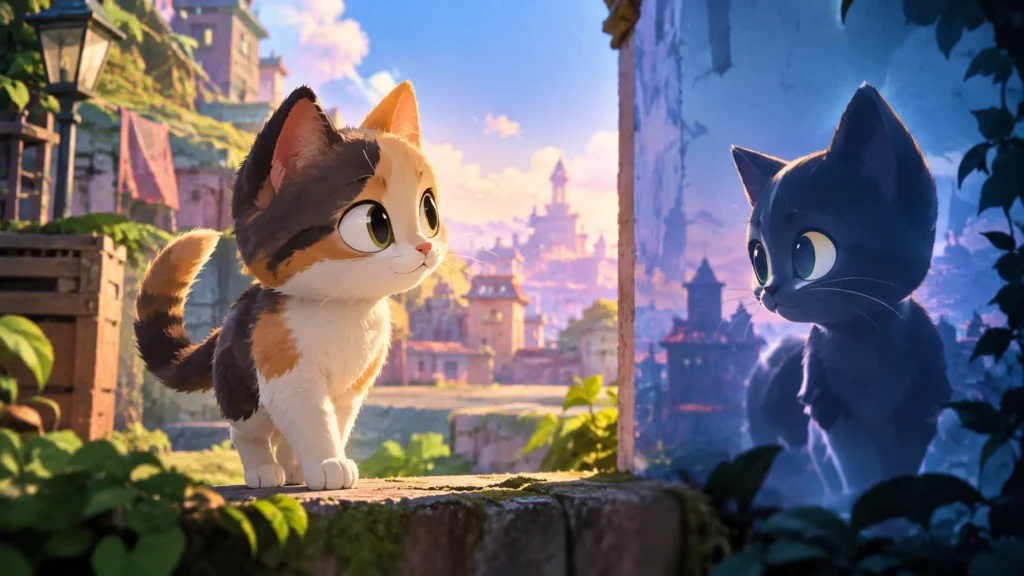
Playing as Dawn, a shelter cat adjusting to a new home, players face a sudden rift when a stray imposter takes their place, sparking an unforgettable journey back to belonging.
Whether you seek a deeper understanding of feline behavior or want an immersive story-driven adventure, this game delivers unprecedented empathy.
Exploring life through a shelter cat’s perspective transforms how we perceive animal welfare, adoption dynamics, and pet psychology.
- Emotional Realism: Experience authentic feline behavior, from territorial anxiety to attachment styles.
- Interactive Storytelling: Navigate complex choices between wild independence and domestic comfort.
- Visual & Sensory Design: View the environment through a lower angle, heightened audio cues, and vivid imagery.
- Real-World Impact: Discover how gamified animal perspectives drive real-life adoption rates and shelter awareness.
What Is Copycat and How Does It Simulate Feline Perception?
Copycat is an indie narrative adventure game that forces players to navigate the world from a low-profile vantage point. D
esigned with inputs from animal behaviorists, the title translates feline sensory mechanics into gameplay choices.
Jump trajectories depend on spatial awareness, while environmental sounds—like thunder or rustling plastic bags—trigger immediate stress responses in your character.
Cats rely heavily on scent marking, subtle body language, and elevated perches to process security. The game mirrors these exact needs by making territorial exploration a core mechanic.
When Dawn steps into a new living room, every piece of furniture serves as a tactical vantage point rather than mere background scenery.
This non-human perspective reshapes traditional adventure gaming tropes. Instead of solving complex mechanical puzzles, you decide whether to trust a human hand offering food or retreat behind a sofa.
This design highlights how shelter animals experience overwhelming environmental transitions.
| Gameplay Feature | Shelter Cat Reality | Impacto en el juego |
| Vantage Point Navigation | Seeking high perches for safety | Unlocks hidden path options |
| Stress & Hiss Mechanics | Fear-induced defensive signaling | Alters human trust meters |
| Scent & Audio Tracking | Heightened sensory processing | Highlights environmental hazards |
| Narrative Choice Tree | Struggle between feral & home instincts | Determines ending story arc |
How Does the Game Reflect Real-World Shelter Cat Behavior?
Shelter animals often suffer from high stress levels due to noise, unfamiliar scent profiles, and disrupted routines.
The initial chapters of the game illustrate the precise stages of feline acclimation: hiding, cautious observation, tentative territory marking, and eventual bonding.
Según una investigación publicada por el American Society for the Prevention of Cruelty to Animals (ASPCA), proper environmental enrichment significantly reduces stress behaviors in newly adopted shelter pets.
The game directly integrates these principles by rewarding players who seek out safe spaces, interactive toys, and predictable routines.
- Arrival at New Home
- Stage 1: Hiding & Observation
- Stage 2: Tentative Territory Marking
- Stage 3: Routines & Bonding
When Dawn faces rejection after being displaced by a rogue stray, the game delves into the psychology of pet abandonment.
++ El valiente escudero: Salta entre las páginas de los cuentos y los mundos 3D
Players experience the sheer confusion of a domesticated animal suddenly forced to survive on the streets, balancing survival instincts with the longing for human companionship.
Why Are Perspective-Driven Adventure Games Gaining Popularity?
Adventure gaming has shifted from power fantasies toward radical empathy simulators. Gamers increasingly look for experiences that offer deep emotional immersion rather than simple skill tests.
Playing from an animal’s point of view strips away human rationalization, leaving raw emotion and instinctual decision-making.
Emotional Resonance: Players develop direct empathy for vulnerable characters through shared physical constraints.
Narración ambiental: Worldbuilding relies on sensory cues rather than long dialogue dumps.
Broader Appeal: Intuitive mechanics attract non-traditional gamers, expanding the indie market reach.
++ Tchia: Navega, escala y salta con el alma a través de un paraíso tropical
Educational Value: Interactive stories spark real-world awareness regarding pet welfare and responsible ownership.
This trend extends beyond entertainment. Animal advocacy groups increasingly partner with game developers to highlight shelter challenges, turning digital play into meaningful social action.
How Can Playing Copycat Influence Real-Life Pet Adoption?
Interactive media builds a unique bridge between digital experiences and real-world action.
By walking in the paws of a rescue cat, players internalize the emotional hurdles that adopted pets face during their transition periods. This understanding fosters greater patience among prospective pet parents.
Data compiled by The Humane Society of the United States indicates that clear public education regarding pet behavior directly decreases animal surrender rates.
When owners understand that hiding or defensive hissing stems from fear rather than aggression, they provide the necessary time for pets to adjust.
The game encourages players to view shelter pets not as blank slates, but as individuals with past experiences, anxieties, and unique personalities requiring empathetic care.
Conclusión
Connecting with a pet through a digital lens does more than entertain—it fundamentally alters how we treat animals in the real world.
By translating shelter stress, territorial anxiety, and abandonment into interactive gameplay, Copycat fosters deep empathy for rescue pets.
Leer más: Jellipop Match: Completa niveles de puzles dulces en un mundo mágico.
Ultimately, this immersive perspective encourages greater patience, reduces surrender rates, and inspires gamers to support shelters, proving that interactive storytelling can bridge the gap between virtual experiences and meaningful, real-world animal advocacy.
Preguntas frecuentes
Is Copycat suitable for younger players?
Yes, the game is accessible to broad audiences, though it touches on emotional themes like pet loss, rejection, and shelter life that may require parental guidance for younger children.
How long does it take to complete the story?
A standard playthrough takes approximately 3 to 4 hours, making it an ideal, tightly focused narrative experience.
Does the game accurately represent cat behavior?
Yes, the developers incorporated real feline behavioral mechanics, focusing on how cats respond to stress, territory changes, and human interaction.
Where can I play the game?
The title is available across major PC gaming platforms and console ecosystems, with optimized controller and keyboard layouts.
++ Copycat: A Heartbreaking Cat-Adventure about Loneliness, Belonging, and the True Meaning of Home
