Anuncios
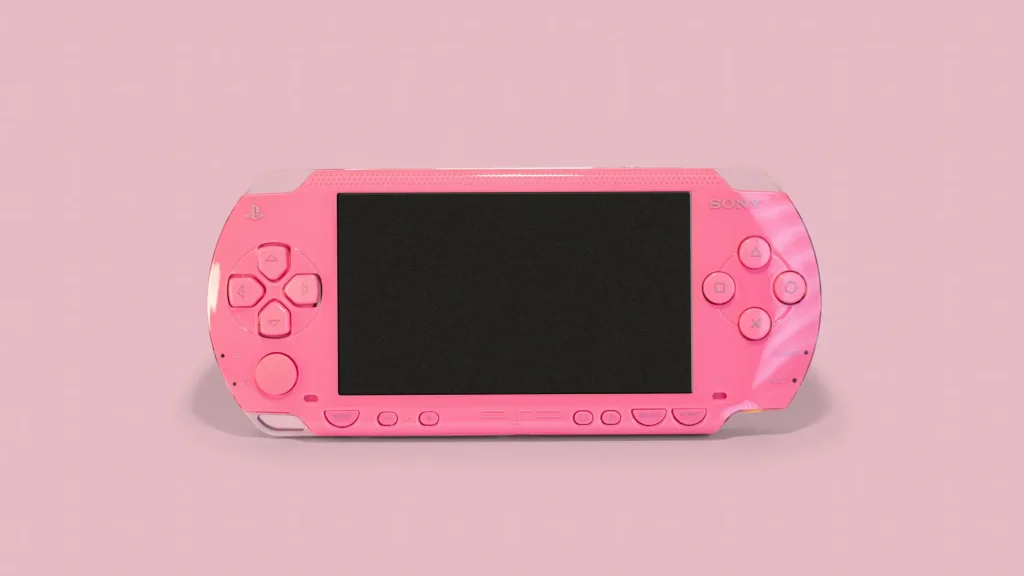
Yet as retro handheld emulators move from niche hobbyist forums onto mainstream e-commerce storefronts, major video game publishers and trade groups are stepping up legal and regulatory pressure against clone hardware manufacturers.
Portable gaming consoles capable of running decades-old arcade, console, and handheld titles have surged in popularity across the United States.
For collectors, commuters, and nostalgic players, the sudden wave of scrutiny raises confusing questions. Is owning a pocket-sized emulation console legal, or are manufacturers crossing clear copyright boundaries?
Understanding why game companies are targeting specific clone devices requires separating the legality of emulation software from the commercial distribution of copyrighted games, encryption keys, and trademarked designs.
Conclusiones clave
- Hardware and emulation remain legal: Under established U.S. appellate precedent, creating or owning software and hardware that mimics legacy console functionality does not violate copyright law by itself.
- Preloaded ROMs trigger enforcement: Publishers and trade associations primarily target clone devices that ship with microSD cards preloaded with thousands of unauthorized, copyrighted game files.
- Trade regulators are now involved: In October 2026, the Entertainment Software Association (ESA) petitioned the Office of the United States Trade Representative (USTR) to investigate overseas retro handheld storefronts under its Notorious Markets review.
- Design and firmware crossings create extra risk: Devices that copy proprietary BIOS code, bypass modern encryption, or mimic protected industrial designs invite trademark, trade dress, and DMCA claims.
- Licensed alternatives offer a legal path: Cartridge-based systems like Evercade and modern subscription catalogs provide authorized ways to play classic titles without legal ambiguity.
Why Are Game Publishers Challenging Retro Handheld Clones Now?
The video game industry’s renewed focus on portable emulation consoles comes down to scale, retail visibility, and bundled piracy.
For years, retro emulation hardware remained a specialized hobby requiring technical setup.
Today, dozens of manufacturers sell sleek, ready-to-play portable consoles for $40 to $200 through direct websites and major online marketplaces.
In October 2026, the Entertainment Software Association (ESA)—the major U.S. trade group representing video game publishers—formally asked the Office of the United States Trade Representative (USTR) to scrutinize retro handheld makers like Anbernic as part of its annual Notorious Markets review.
Rather than arguing that portable emulators are inherently illegal, the ESA focused on devices sold alongside memory cards preloaded with massive libraries of unlicensed commercial ROMs.
Publishers view this commercial bundling as a direct threat to their legacy catalogs.
Classic franchises remain valuable assets that companies monetize through digital re-releases, remasters, and subscription services like Nintendo Switch Online.
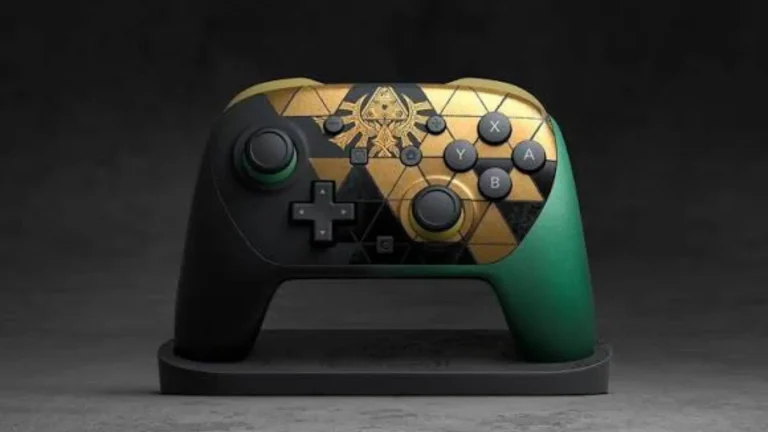
++ 40º aniversario de Zelda: Cómo Nintendo celebra la saga
When third-party hardware arrives pre-stocked with thousands of classic titles out of the box, publishers argue that hardware sales have effectively become commercial piracy distribution.
What Makes Emulation Legal vs. Illegal Under U.S. Law?
To understand why some retro gaming devices operate freely while others face customs seizures and trade complaints, it helps to examine how U.S. intellectual property law treats different components of a retro handheld.
The Legal Precedent for Clean-Room Emulation
In the United States, software emulation itself has strong legal protection. In the landmark 2000 ruling Sony Computer Entertainment, Inc. v. Connectix Corp., the U.S.
Court of Appeals for the Ninth Circuit held that reverse-engineering a console’s firmware to build a compatible emulator constitutes fair use, provided the final product does not contain copyrighted code.
Lea aquí: Actualizaciones de Mario Kart World: Cómo las nuevas pistas de SNES cambian cada carrera.
This decision established a vital boundary in technology law: companies can legally build hardware or software that replicates how a classic system functions, as long as they write original code rather than copying proprietary system files.
Where Clone Manufacturers Cross the Line
Problems arise when manufacturers or third-party resellers bundle copyrighted software with the hardware. Common legal flashpoints include:
Preloaded ROM libraries: Distributing microSD cards filled with copyrighted game files without publisher permission is straightforward copyright infringement.
Proprietary BIOS files: Many classic disc-based systems require a System BIOS to boot. Including official BIOS dumps on a device without authorization violates copyright law.
DMCA anti-circumvention violations: Under Section 1201 of the Digital Millennium Copyright Act (DMCA), bypassing technological access controls—such as decrypting newer console firmware or distributing decryption keys—carries severe statutory penalties.
Trademark and trade dress infringement: Clone consoles that replicate the exact button layouts, logos, color schemes, or casing silhouettes of iconic handhelds risk trademark dilution and design patent disputes.
| Device Component or Practice | U.S. Legal Status | Primary Legal Risk for Manufacturers |
| Open-source emulator software | Generally legal | Low, if built without stolen proprietary code |
| Blank handheld hardware | Generally legal | Low, unless casing infringes active design patents or trademarks |
| Preloaded commercial ROM cards | Illegal without license | Direct copyright infringement and customs seizure |
| Included official console BIOS | Illegal without license | Unauthorized reproduction of copyrighted firmware |
| Decryption keys for modern consoles | Illegal under DMCA | Anti-circumvention liability under 17 U.S.C. § 1201 |
How Are Publishers and Regulators Enforcing Against Clones?
Enforcement against unauthorized retro handhelds spans multiple legal channels rather than relying on a single courtroom strategy.
Trade and customs scrutiny: Submissions to the USTR Notorious Markets list spotlight foreign e-commerce storefronts and encourage heightened customs inspections at borders.
In a 2024 enforcement operation cited by the ESA, Italian authorities seized roughly 12,000 Anbernic consoles containing more than 47 million unauthorized game copies.
Marketplace takedowns: Major U.S. platforms such as Amazon and eBay routinely remove listings that advertise “50,000 games included” or display trademarked character art in product photos.
++ Pragmata: Resuelve rápidamente los puzles de combate en una peligrosa misión lunar.
DMCA subpoenas and lawsuits: When emulation projects cross into active commercial consoles—such as Nintendo’s legal actions against Switch emulators and firmware tools—publishers pursue aggressive injunctions and statutory damages.
Notably, hardware makers like Retroid and Ayaneo have increasingly shipped their devices without preloaded games, placing the responsibility for sourcing software entirely on the end user.
Meanwhile, manufacturers that offer optional “game card” tiers face growing pressure from both trade associations and international regulators.
How Buyers Can Navigate Retro Gaming Safely and Legally
Disclaimer: The following information is for educational purposes and does not constitute formal legal advice. Consult a qualified intellectual property attorney if you have specific legal questions regarding software archiving or hardware distribution.
For enthusiasts who want to enjoy classic games on modern portable screens without supporting piracy or risking seized shipments, several practical steps help keep your setup compliant:
Buy blank hardware only: Purchase emulation handhelds that ship strictly with an open-source operating system and no bundled game SD cards.
Reputable reviewers and enthusiasts routinely verify which storefronts sell unbundled units.
Use personal backups responsibly: Creating personal archival backups from physical cartridges or discs you legally own sits in a nuanced area of U.S. copyright law—especially when no encryption is bypassed—whereas downloading commercial ROMs from unauthorized websites infringes copyright.
Explore licensed retro ecosystems: Consider dedicated, officially licensed hardware such as Blaze Entertainment’s Evercade handhelds, which use physical cartridges licensed directly from classic publishers, or FPGA-based consoles designed to play original physical cartridges.
Check official digital storefronts: Before assuming a classic game is unavailable, check modern digital platforms—including Steam, GOG, and console subscription libraries—where publishers regularly release enhanced ports with cloud saves and online multiplayer.
Conclusión
Game companies are challenging retro handheld clones not because portable emulation technology is unlawful, but because commercial bundles filled with unauthorized ROMs turn hardware sales into large-scale copyright distribution.
As trade organizations like the ESA push U.S. regulators to scrutinize preloaded memory cards and storefront listings, the market is steadily splitting between unbundled open-source devices and officially licensed retro ecosystems.
If you are shopping for a portable retro console, your best next step is to prioritize unbundled hardware from transparent brands or explore officially licensed cartridge systems—ensuring your nostalgia setup rests on solid legal ground.
Preguntas frecuentes
Are retro handheld emulators legal to own in the United States?
Yes, owning a retro handheld emulator is legal in the United States. Under federal appellate precedent, emulation hardware and software that replicate older console functions without copying proprietary code are lawful.
Legal issues arise when devices are sold with unauthorized, copyrighted game ROMs or proprietary BIOS files.
Why is the Entertainment Software Association targeting retro handheld makers?
In October 2026, the Entertainment Software Association (ESA) nominated Anbernic’s official storefront for the U.S. Trade Representative’s Notorious Markets review.
The ESA’s complaint focuses specifically on consoles sold with preloaded microSD cards containing thousands of unlicensed commercial games, rather than the emulation hardware itself.
Can U.S. Customs seize a retro handheld ordered from overseas?
Yes, U.S. Customs and Border Protection can detain or seize imported electronics that contain counterfeit trademarks or unauthorized copies of copyrighted software, such as microSD cards preloaded with pirated video games.
Ordering unbundled hardware without preloaded game cards significantly reduces this risk.
What is the difference between software emulation and FPGA retro handhelds?
Software emulators use a general-purpose processor to mimic classic console behavior through code, which can occasionally introduce minor input lag or accuracy quirks.
Field-Programmable Gate Array (FPGA) handhelds configure specialized chips at the hardware level to replicate original console circuitry, typically running original physical game cartridges with near-exact timing.