
Sekiro: Shadows Die Twice – Derrote inimigos mortais com habilidades de samurai
Anúncios
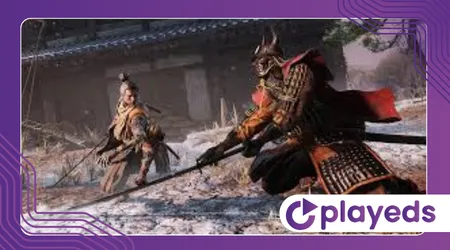
SekiroShadows Die Twice não é apenas um jogo; é uma lição árdua de disciplina. Enquanto a maioria dos jogos de ação modernos permite que você se esconda atrás de um escudo ou role para se esquivar e escapar, esta experiência exige que você abrace o choque do aço.
É uma dança implacável e rítmica onde a hesitação se traduz diretamente em morte.
Resumo dos Segredos de Ashina
- O Sistema Postural: Indo além do tradicional bar de saúde.
- Ferramentas protéticas: Utilidade estratégica em vez de força bruta.
- Furtividade Shinobi: A arte de controlar o campo de batalha.
- Mentalidade de chefe: Guerra psicológica em duelos de alto risco.
O que define o ritmo de combate em Sekiro?
A maioria dos jogadores chega com hábitos formados em RPGs mais lentos, o que geralmente leva a um despertar rápido e brutal. Aqui, a katana é uma extensão da sua intenção.
Você não está diminuindo a barra de vida; você está desmantelando a compostura do oponente através de desvios agressivos e precisos.
Existe uma qualidade específica, quase musical, nesses encontros. Quando sua lâmina encontra a de um inimigo, o som muda de acordo com o seu tempo de reação.
Um baque surdo significa que você está falhando, mas um clangor agudo e ressonante indica que você tomou a iniciativa, forçando o inimigo a reagir.
Essa transição da defesa para a "desvio ofensivo" é onde muitos encontram dificuldades. Ela exige um nível de familiaridade com as animações inimigas que chega a ser quase invasivo.
É preciso observar seus ombros, a distribuição do peso e o leve brilho do aço antes mesmo do golpe começar.
Como a prótese Shinobi cria profundidade tática?
A prótese de ferro não é apenas uma escolha estética interessante; é uma solução desesperada para um guerreiro em desvantagem.
Num mundo de generais imponentes e horrores sobrenaturais, esta ferramenta permite trapacear. Ela une a esgrima tradicional à guerra não convencional.
Usar o Machado Carregado parece pesado e decisivo, mas é a única maneira eficaz de punir os covardes que se escondem atrás de escudos de madeira.
Enquanto isso, a Saída de Chamas serve como um impedimento primordial contra os inimigos de "Olhos Vermelhos", que de outra forma ignorariam seus ataques padrão.
++ Ninja Gaiden: Elimine inimigos com combate ultrarrápido
A verdadeira maestria reside em integrar essas ferramentas em combos de espada. Trata-se da transição perfeita de uma sequência de golpes para uma explosão repentina que cega a fera tempo suficiente para um golpe fatal. Isso transforma um duelo rígido em um massacre fluido e imprevisível.
Por que a postura é mais relevante do que a vitalidade?
Em Ashina, a saúde é uma preocupação secundária. Você pode reduzir um inimigo a um fio de vida, mas se a postura dele permanecer intacta, ele ainda será perigoso.
A postura representa o equilíbrio mental e físico deles. Uma vez que esse equilíbrio se rompe, a luta acaba, independentemente da quantidade de HP restante.
Isso cria uma situação de pressão psicológica. Se você recuar para se curar, dá ao seu oponente espaço para respirar, e a barra de postura dele começa a diminuir.
Muitas vezes, é mais seguro prosseguir com o ataque mesmo ferido do que recuar para um local seguro. É uma escolha de design brilhante e contra-intuitiva.
Dados técnicos de Site oficial da FromSoftware Sugere que a recuperação postural está ligada à vitalidade atual.
Isso significa que a agressividade no início da luta deve se concentrar em causar sangramento, enquanto a fase intermediária e final é uma corrida pura para quebrar o espírito do oponente.
Quais habilidades são realmente importantes para a sobrevivência?
Se você ignorar o Contra-Ataque Mikiri, estará essencialmente jogando em um "modo difícil" não intencional. Essa habilidade transforma um golpe perigoso e assustador em um momento de domínio absoluto.
Pisar na lâmina de um inimigo não é apenas uma mecânica; é uma demonstração de superioridade que causa dano massivo à postura.
Sustentabilidade em campo raramente se resume a carregar mais itens. A habilidade Sopro da Vida: Luz é a verdadeira peça-chave da exploração.
Isso transforma cada execução bem-sucedida em uma pequena cura, permitindo que você mantenha o ritmo em castelos lotados sem precisar ficar constantemente esperando por um ponto de controle.
Depois, há as habilidades passivas "Carpa". Elas não concedem novos movimentos, mas tornam suas defesas existentes mais punitivas.
Leia mais: Bayonetta 3: Use magia e armas em batalhas rápidas e exageradas.
Em um jogo decidido por margens mínimas, aumentar o dano à postura que você causa enquanto reduz o dano que recebe é o caminho mais pragmático para a vitória.
Quais são os padrões modernos de furtividade para um shinobi?
Aqui, o sigilo é uma necessidade pragmática, não um artifício opcional. O mundo foi projetado para te sobrecarregar se você avançar às cegas.
Eliminar o rebanho com cacos de cerâmica ou saltar de um telhado não é "coisa de criança" — é assim que um shinobi sobrevive contra todas as probabilidades.
A verticalidade é sua melhor amiga. A maioria dos inimigos em Ashina tem uma visão periférica ascendente surpreendentemente ruim. Ao permanecer nas vigas, você pode mapear rotas de patrulha e identificar quais alvos de alto valor precisam ser eliminados primeiro para evitar um alarme geral.
Usar o Açúcar de Gachiin torna você quase invisível, o que é vital para navegar pela beleza assombrosa do Palácio da Fonte.
++ MotoGP 23: Corra em velocidades extremas e domine cada curva.
Isso permite que você evite escaramuças tediosas e chegue aos portões dos chefes principais com seus frascos e emblemas espirituais totalmente intactos.
Comparação de dados: Evolução do combate
| Mecânico | Foco no design de Sekiro | Design tradicional de RPG |
| Objetivo principal | Quebrando o equilíbrio | Pontos de saúde diminuindo |
| Estilo defensivo | Interceptação ativa | Esquiva Passiva/Enquadramentos I |
| Modelo de crescimento | Aquisição de Habilidades | Preenchimento de Estatísticas Numéricas |
| Impacto da morte | Ressurreição Tática | Reinicialização completa do estado |
| Fluxo de luta | Envolvimento constante | Ciclos de atropelamento e fuga |
Quando a ressurreição é uma escolha estratégica?
A morte é uma mecânica do jogo, não apenas uma tela de falha. Existe uma vantagem tática específica em permanecer caído por alguns segundos após ser atingido.
Os inimigos frequentemente começam a embainhar suas armas e se afastam, deixando-os totalmente vulneráveis a um golpe mortal "de volta dos mortos".
No entanto, persiste uma sombra ameaçadora sobre esse poder. A Corrupção do Dragão é uma consequência narrativa fascinante para o fracasso.
É um fardo pesado ver os NPCs de quem você gosta tossindo e ofegando porque você não conseguiu acertar o tempo certo para aparar os golpes. Isso adiciona uma camada de culpa a cada erro.
Como os encontros com chefes testam sua determinação?
Os primeiros chefes, como Gyoubu Oniwa, estão lá para verificar se você entende a mecânica básica de "confronto".
Mas quando você enfrenta as lendas do final do jogo, o jogo espera que você lide com raios, efeitos de terror e testes de resistência em vários estágios, tudo ao mesmo tempo.
Essas lutas são menos sobre "vencer" e mais sobre "aprender". Cada vez que você morre para um chefe do final do jogo, você deve ser capaz de identificar o milésimo de segundo exato em que sua concentração falhou.
É um processo de aprimoramento que culmina em algumas das vitórias mais gratificantes da história dos jogos.
O duelo final é amplamente considerado um dos maiores desafios do gênero. Ele não introduz novos artifícios; simplesmente exige perfeição.
É o teste definitivo de todas as habilidades, ferramentas e reflexos que você cultivou ao longo de sua jornada em Ashina.
A beleza dessa jornada reside na sua recusa em fazer concessões. No final, você não vence porque seu personagem subiu de nível, mas sim porque... você fez.
A esgrima é uma linguagem, e uma vez que você a domine, os inimigos antes invencíveis de Ashina se tornarão meros degraus em seu caminho rumo à maestria.
Para aqueles que desejam se aprofundar nos dados de frames e nas interações ocultas da história, o Wiki de fãs de Sekiro Continua sendo o padrão ouro para pesquisa conduzida pela comunidade e resolução de problemas técnicos.
Perguntas frequentes
Sekiro possui um "Modo Fácil" tradicional?
Não. O jogo é balanceado em torno de uma única experiência planejada. No entanto, dominar a furtividade e usar as ferramentas protéticas corretas funciona como um modificador de dificuldade natural para aqueles que têm dificuldade com reflexos rápidos.
Posso terminar o jogo sem a prótese?
Tecnicamente, sim, mas você estaria ignorando metade da profundidade do jogo. Certos chefes são especificamente projetados para serem derrotados com ferramentas protéticas, tornando uma partida usando apenas espada um desafio autoimposto.
O que acontece se eu ignorar a Corrupção do Dragão?
Você não morrerá, mas o mundo sofrerá. As missões dos NPCs serão congeladas e sua porcentagem de "Ajuda Invisível" (a chance de não perder ouro/XP ao morrer) cairá drasticamente, tornando o jogo muito mais punitivo.
Como faço para aumentar meu poder de ataque?
Você precisa derrotar chefes importantes para obter "Memórias". Consumir essas memórias em um Ídolo do Escultor é a principal maneira de aumentar seu dano bruto conforme você avança na história.
Existe algum conteúdo oculto após os créditos?
Dependendo das suas escolhas, você pode ter perdido áreas inteiras, como a Mansão Hirata (Segunda Visita). O jogo incentiva múltiplas jogadas para ver todos os chefes e desbloquear os quatro finais distintos.
++ É assim que você pode derrotar os chefes principais em Sekiro.
++ Sekiro™: Shadows Die Twice – Edição GOTY
