
Por que os jogos de mundo aberto são tão populares entre os jogadores modernos?
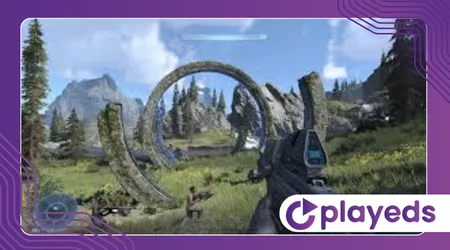
Open-world games have redefined the global gaming landscape in 2025 by offering unparalleled freedom and deep player agency within massive, interconnected digital ecosystems. This evolution reflects a significant shift in player expectations.
Anúncios
Summary of Exploration
- The psychological appeal of unrestricted exploration.
- Technical milestones in procedural generation and AI.
- Economic value through extended gameplay longevity.
- Social connectivity within shared virtual environments.
- The future of immersive storytelling in 2025.
What are Open-World Games and why do they dominate the market?
At their core, open-world games represent a genre where players can explore vast territories and approach objectives with high levels of autonomy and creative freedom.
Unlike linear titles, these experiences prioritize the journey over a predetermined path, allowing for emergent gameplay that feels unique to every individual user.
The dominance of this genre stems from the industry’s move toward “Games as a Service” (GaaS). Developers now create living worlds that evolve through seasonal updates, ensuring that the initial purchase provides hundreds of hours of fresh, relevant content.
Why is the sense of freedom so appealing to modern players?
Modern gamers increasingly seek agency to escape the rigid structures of daily life. Within open-world games, the ability to ignore the main quest and simply wander creates a meditative and deeply personal experience.
This psychological “autonomy” is a powerful driver for long-term engagement and brand loyalty.
Furthermore, the lack of invisible walls fosters a sense of true discovery. When a player sees a distant mountain and realizes they can actually climb it, the immersion barrier breaks, turning the software into a tangible, believable destination.
How does advanced technology enhance current Open-World Games?
The technical leap in 2025 is driven by SSD speeds and sophisticated data streaming. Modern open-world games utilize these hardware capabilities to eliminate loading screens, creating seamless transitions between sprawling outdoor landscapes and intricate, highly detailed indoor environments.
Artificial Intelligence has also transformed how these worlds feel. Non-playable characters (NPCs) now utilize large language models to provide dynamic interactions, making the populated areas of open-world games feel reactive, intelligent, and significantly less scripted than previous console generations.
Which factors contribute to the longevity of these titles?
Longevity is primarily fueled by the density of side activities and environmental storytelling. In high-quality open-world games, every corner of the map contains lore or challenges that reward the player’s curiosity with meaningful upgrades or narrative depth.
According to industry analysis from Novo zoológico, player retention rates are significantly higher in titles that offer expansive maps and robust crafting systems. This data proves that gamers prefer deep investments over short-lived cinematic experiences.
Comparison of Top Open-World Features (2024-2025)
| Recurso | Impacto na jogabilidade | Popular Example |
| Clima dinâmico | Affects visibility and combat tactics | GTA VI / Zelda Series |
| AI-Driven NPCs | Creates realistic, unscripted social interactions | Cyberpunk 2077 (Updates) |
| Verticality | Doubles playable space through multi-level cities | Elden Ring: Shadow of the Erdtree |
| Real-time Economy | Player actions influence market prices in-game | Starfield / EVE Online |
When did the shift toward massive maps become a standard?
The industry witnessed a pivotal change during the eighth generation of consoles, where titles like The Witcher 3 set new benchmarks.
Since then, open-world games have become the “gold standard” for AAA developers aiming to justify the rising $70 price tag.
Leia mais: A influência dos jogos japoneses na cultura global dos jogos.
Today, even traditionally linear franchises are adopting open-ended hubs. This trend suggests that “openness” is no longer just a genre; it is a fundamental design philosophy that caters to a global audience demanding more value for their money.
What are the social implications of shared Open-World Games?
Metaphorically, these games have become the new “third places”—social spaces outside of home or work.
Multiplayer open-world games allow friends to congregate in digital environments to complete complex raids or simply hang out in a virtual sunset.
Veja que interessante: Os jogos de vídeo mais influentes que mudaram a indústria para sempre.
The integration of social features within open-world games fosters communities that exist far beyond the game itself.
Discussion forums and social media are constantly flooded with player-captured photos, further driving organic marketing and sustained interest.
Who should play these titles?
Modern open-world games suit adventurous spirits seeking total freedom. If you enjoy discovering hidden secrets across vast landscapes, these immersive digital realms offer endless hours.
Creative thinkers find expansive virtual landscapes particularly rewarding today. These players leverage complex mechanics to solve puzzles or defeat enemies, proving that curiosity drives the experience.
++ Terras Selvagens Exteriores
Social enthusiasts often prefer massive multiplayer environments with interactive features. Connecting with global communities ensures that your journey remains exciting, collaborative, and constantly evolving every day.
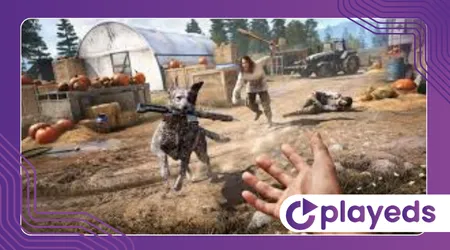
Por que os jogos de mundo aberto são tão populares entre os jogadores modernos?
A popularidade duradoura de open-world games in 2025 is a testament to the human desire for exploration, autonomy, and social connection.
As technology continues to blur the lines between reality and simulation, these digital realms will only become more intricate and indispensable to the gaming culture.
By offering a perfect blend of technical mastery and emotional resonance, they have secured their place as the most influential genre of the decade.
To stay updated on the latest hardware requirements for these massive titles, visit Digital Foundry for in-depth technical analysis and performance reviews.
Perguntas frequentes
Are open-world games better than linear games?
“Better” is subjective, but open-world games generally offer more playtime and freedom. Linear games often provide tighter, more cinematic pacing, whereas open worlds prioritize player-driven narratives and exploration.
Why do some people find open worlds overwhelming?
Some players experience “map fatigue” due to an overabundance of icons and repetitive tasks. However, modern open-world games are moving toward organic discovery to reduce this cluttered feeling and improve the user experience.
Do open-world games require a powerful PC?
Yes, typically. Because open-world games must render vast distances and track numerous AI entities simultaneously, they require modern CPUs and fast NVMe SSDs to run smoothly without stuttering or texture pop-in.
What is the biggest open-world game currently?
While games like No Man’s Sky offer infinite procedural universes, titles like Starfield e GTA VI represent the peak of hand-crafted density and graphical fidelity in the current market.
++ Open-World Games Are Changing the Way We Play
++ The Rise of Open-World Games
Popular agora