
Viking Way: The Elegant Brutality of Nordic Seas in an H5 Game
Anúncios
Among all the H5 games that have emerged in recent years, few have managed to balance narrative, action, and atmosphere as competently as Viking Way. While many browser games opt for casual, repetitive, and shallow approaches, Viking Way immerses the player in a journey of conquest, survival, and identity. Therefore, those expecting just a light pastime will actually find a brutal and surprisingly thoughtful interactive saga.
In this article, we’ll explore every aspect of the game — from the aesthetic inspired by medieval Scandinavia to the technical backstage that makes the experience fluid even within the limitations of a browser.
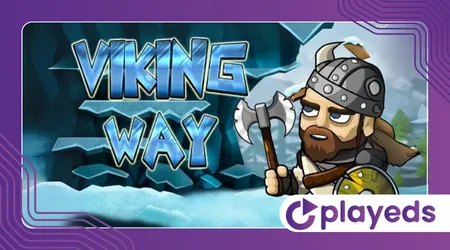
Viking Way’s Proposal: Not Just Playing, But Living Like a Norseman
When starting Viking Way, the player doesn’t control a generic hero. They assume the role of a Viking chief with social, tactical, and spiritual duties. Therefore, the experience moves away from simple brawling to embrace strategic, building, and even resource management elements.
Still, the game doesn’t abandon combat. The player needs to:
- Form clans
- Build villages
- Lead expeditions
- Engage in real-time battles
- Negotiate alliances or provoke wars
Consequently, Viking Way delivers a rich, complete, and engaging experience — without requiring downloads or installations.
Nordic Setting: More Than Scenery, A Lived Atmosphere
As you navigate through the game’s screens, you quickly realize that this is not a generic “period” aesthetic. Every texture, sound, and symbol directly refers to real Nordic mythology and geography.
Elements that build the atmosphere:
- Soundtracks with tribal percussion and Scandinavian instruments
- Dynamic fogs over the fjords
- Northern lights appearing as time progresses
- Runes that unlock magic or divine blessings
However, what’s most impressive involves the narrative use of weather. Storms interfere with battles. Frost delays construction. The turbulent sea destroys ill-prepared ships. Therefore, the world reacts — and the player learns to respect it.
Game Mechanics: The Balance Between Tactics and Fury
Unlike many H5 games, Viking Way delivers system depth. It’s not enough to attack the enemy. The player needs to think about logistics, morale, weather, and even hunger.
Central mechanics:
- Village management: resources, production, villager loyalty
- Real-time battles: tactical troop control, formation, terrain
- Reputation system: clans react to player behavior
- Sea voyages: fleet control, wind direction, supplies
- Spirituality: prayers to gods influence luck and events
Still, the game never drowns the player in complexity. It introduces each mechanic progressively, making learning part of the narrative.
Branching Narrative: Each Choice Forges a New Saga
In Viking Way, the story doesn’t follow a fixed script. Each player’s choice profoundly alters the course of the campaign. Therefore, decisions like attacking a village, helping a traveler, or accepting a spiritual pact shape not only the character’s reputation — but also the universe itself.
Examples of narrative impacts:
- Helping a starving village can bring new recruits, but reduce your supplies
- Offending a rival chief generates long wars and financial losses
- Refusing sacrifices provokes supernatural events and plagues
On the other hand, the game avoids moralizing. There is no “right path.” Each player creates their own version of the Viking journey — and must deal with the ghosts left by their actions.
Graphics and Design: Style Painted with Fury and Snow
Even as an H5 game, Viking Way surprises with a cohesive, artistic, and efficient visual design. The palette uses grayish, dark brown, deep blue, and blood-red tones. Everything refers to the icy brutality of medieval Scandinavia.
Striking design elements:
- Minimalist HUD, without cluttering the screen
- Wood, leather, and metal textures dominate the interface
- Icons with runic shapes, which activate mythological memories in the subconscious
- Real-time weather effects applied over graphic elements
Therefore, even on small screens, the game conveys grandeur. Playing on a mobile phone or tablet doesn’t compromise the experience — and this is due to well-thought-out technical decisions.
Technical Architecture: How a Rich World Runs in a Browser
The magic happens behind the scenes. Viking Way uses a powerful combination of:
- HTML5 with WebGL for graphic rendering
- Modular JavaScript for combat and economy logic
- IndexedDB for saving local progress
- WebSockets for real-time events (multiplayer or weather)
Therefore, even without plugins, the game handles complex simulations of physics, maritime trajectory, artificial intelligence of opponents, and even procedural terrain generation.
Still, loading times remain short. Asset compression and intelligent use of local cache deliver fluidity even on average 4G connections.
The Game’s Artificial Intelligence: The Enemy Remembers
Few H5 games use adaptive AI with memory of previous decisions. Viking Way breaks this rule.
Notable AI behaviors:
- Opponents retreat if you win multiple times
- Clans change sides if your decisions inspire fear or honor
- Allies question wrong decisions, creating narrative tension
Therefore, the world simulates a living society — not just a set of scripted events.
In addition, the gods also react. The player feels when Odin gets angry, when Loki plays tricks, or when Freyja offers protection. These entities influence the game’s RNG, subtly altering results according to the player’s attitudes.
Unusual and Creative Aspects
Many details make Viking Way a different experience. Some go unnoticed — others become a signature.
- Boats with random names based on runic combinations
- Character aging system: the player feels time passing
- Lunar events alter enemy strength and unlock magic
- Inheritance system: when the character dies, a child or relative takes over
- Dialogues with poetic rhymes based on the style of the Norse Eddas
Therefore, the depth appears not only in the major mechanics — but also in the small details that make the world more believable.
The Viking Community: Real Clans Outside the Game
With the success of Viking Way, fans have created real clans. Groups of players have founded forums, Discord channels, and even their own websites, where they share:
- Expansion strategies
- Mythological theories applied to the game
- Chronicles written from campaigns
- Visual and sound mods
In addition, monthly inter-clan tournaments bring a competitive dimension that the game originally did not include. Therefore, Viking Way has surpassed its code — and transformed into a space for socialization and collective creation.
Comparisons with Other H5 Titles
While games like Wrecked, Cut the Rope H5, and Slither.io shine for their simplicity and quick addiction, Viking Way bets on depth. It more closely resembles games like:
- Northgard
- Banished
- Kingdoms and Castles
However, it runs directly in the browser. No downloads, no mandatory registrations, no intrusive ads. Therefore, it offers the experience of an indie PC game — with the fluidity of an H5.
Future Possibilities: Expansion and Extended Mythology
With the current foundation, Viking Way can evolve into:
- Modular religion system, where the player chooses which gods to worship
- Cooperative mode between clans, allowing resource and troop exchange
- Mythological expeditions, where players face creatures like Jörmungandr or Fenrir
- Marriage system between clans, with dynastic and political impact
- Web3 connection, allowing achievements to become cosmetic NFTs or skins
Still, the game needs to maintain its essence: an accessible, immersive, and responsive experience. Therefore, any expansion must preserve the elegant simplicity that made the game a success.
Conclusion: Viking Way Proves That Depth Fits in a Browser
In the vast sea of browser games, few titles sail with as much weight and balance as Viking Way.
Therefore, those who seek only to pass the time might be surprised. Those who come to play end up staying to build, wage war, love, betray, grow old, and be reborn in a new heir.
Still, the true triumph of Viking Way lies in the detail: a light game that carries the weight of an entire civilization.
