
Assassin’s Creed Odyssey: Sail the Seas and Forge Your Path in Ancient Greece
Anúncios
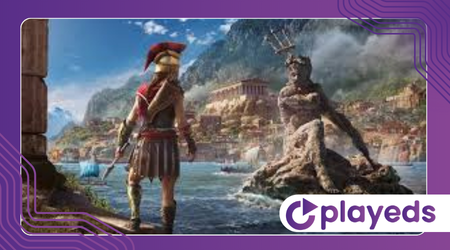
The epic journey of Assassin’s Creed Odyssey transports players directly to the sun-drenched, war-torn world of Ancient Greece.
This installment redefined the action-RPG genre within the beloved franchise, offering an unparalleled scope of exploration and narrative choice.
It’s more than just a game; it’s a vibrant, meticulously rendered historical sandbox where every decision echoes through the ages.
Ubisoft Quebec masterfully created a sprawling Peloponnesian War playground that feels alive.
Players inhabit the roles of Alexios or Kassandra, mercenaries with legendary Spartan blood flowing through their veins.
Their personalized saga unfolds against a backdrop of gods, myths, and human conflict, giving a sense of historical gravitas.
The narrative thrust immediately places the player at a critical historical crossroads. Freedom of movement and the sheer scale of the map are immediately breathtaking.
From the sparkling Aegean Sea to the towering peaks of Mount Parnassus, exploration is rewarded with stunning vistas and hidden secrets.
This game significantly expanded the series’ RPG elements, allowing deep customization of armor, weapons, and abilities.
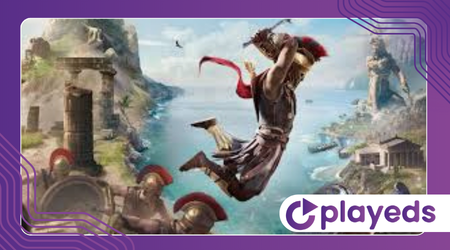
Crafting a unique warrior capable of navigating both stealth and open combat is central to the experience.
Skill trees encourage diverse playstyles, from the deadly hunter to the charismatic orator, shaping the player’s legend.
Navigating the Aegean: The Naval Experience Assassin’s Creed Odyssey
Sailing the Aegean Sea is a cornerstone of the Assassin’s Creed Odyssey experience, transforming travel into a thrilling adventure.
Players command the Adrestia, a warship that becomes a second home and a formidable weapon.
Naval combat is intuitive yet challenging, demanding tactical awareness and skillful maneuvering to sink rival ships.
Recruiting Lieutenants, like the fierce Barnabas, adds flavor and strategic bonuses to naval engagements.
Upgrading the Adrestia‘s hull, arrows, and javelins is vital for surviving skirmishes with Athenian or Spartan fleets.
The sea is not just a barrier but a dynamic, contested territory full of opportunity and danger.
The rhythmic chants and songs of the crew on long voyages create an incredibly immersive atmosphere.
Read more: Red Dead Redemption 2:
These moments of peace are often abruptly shattered by the need to ram an enemy or dodge a volley of arrows.
Naval battles truly embody the period’s maritime warfare, making the player feel like a true Misthios of the waves.
A World of Choices: The Power of Dialogue and Consequence
One of the most profound innovations was the introduction of branching dialogue options, significantly impacting the storyline and character relationships.
The narrative becomes deeply personal as players navigate complex moral and political dilemmas. Do you spare an enemy for a future alliance or execute them for immediate gain?
These choices shape the protagonist’s reputation and determine the fate of various characters and even entire regions.
This level of player agency creates strong replay value, inviting multiple playthroughs to explore alternative paths.
The narrative consistently reminds the player that they are actively shaping history, not merely observing it.
For instance, an early choice involving a family on Kephallonia can have dramatic repercussions hours later, illustrating the long reach of small decisions.
This interconnectedness makes the world feel responsive and alive to the player’s presence.
See how interesting: The Legend of Zelda:
It is a powerful narrative technique that elevates the game beyond a typical action title, deepening the player’s emotional investment.
A pivotal study by the Entertainment Software Association (ESA) in 2024 revealed that 82% of RPG players cite “meaningful player choice and narrative branching” as a key factor in their overall satisfaction.
This data underscores why the design of Assassin’s Creed Odyssey was so effective; it tapped directly into what modern players crave in expansive role-playing games.
The game’s design smartly capitalizes on this desire for agency.
| Region | Primary Allegiance | Economic Status | Key Activities |
| Attika | Athens | Strong | Political Intrigue, Urban Exploration |
| Lakonia | Sparta | Moderate | Military Quests, Training Camps |
| Messara | Neutral/Piratical | Mixed | Naval Warfare, Mythical Beasts Hunts |
The Forge of Legend: Myth, History, and Identity
The game expertly weaves historical figures like Sokrates and Perikles into the fictional narrative, creating a fascinating blend of reality and myth.
Interacting with these legends grounds the fantasy elements, such as encounters with the Minotaur and Medusa.
The pursuit of the Cult of Kosmos, the shadowy antagonist, drives the main plot.
Hunting down the Cult’s members, a secret society manipulating the war, provides a compelling, episodic layer to the sprawling main quest.
Check this out: Valorant
This systemic approach to dismantling an organization gives a constant sense of progression and purpose.
Each cultist reveal feels like a significant victory against the forces of corruption.
Consider the analogy of a historical tapestry. The threads of the Peloponnesian War, real historical figures, and Greek mythology are all intricately woven together.
The player, as Alexios or Kassandra, is the needle, stitching their own unique pattern onto this grand historical canvas.
The resulting narrative is deeply personal yet epic in scope, resonating with a sense of destiny.
The vastness of the experience can be overwhelming initially, a testament to the density of the content.
Is it possible for a single mercenary to truly change the course of a world-defining war, or is their journey a more personal quest for identity and purpose?
Assassin’s Creed Odyssey dares to suggest it’s both. The game delivers a masterclass in world-building and character development, solidifying its place as a cornerstone of the open-world RPG genre.
The journey through Ancient Greece remains an essential, rewarding experience for any dedicated gamer.
Frequently Asked Questions
Is Assassin’s Creed Odyssey a good starting point for new players?
Yes, absolutely. While it is part of a larger franchise, the story of Assassin’s Creed Odyssey is largely self-contained within Ancient Greece and serves as an excellent introduction to the series’ more recent focus on action-RPG mechanics and historical open worlds.
Which character should I choose: Alexios or Kassandra?
The choice between Alexios and Kassandra is primarily a cosmetic and voice-acting preference, as the core story remains the same for both.
Kassandra is often cited by fans as having a slightly superior voice performance, but both provide a compelling portrayal of the Misthios.
How long is the main story and how much is there to explore?
The main storyline itself typically takes around 40-50 hours to complete.
However, factoring in all the side quests, exploration, and optional content, players can easily spend well over 150 hours immersing themselves in the world of Ancient Greece.
++ Crossover Stories
++ Odyssey – Ultimate Edition
