Anúncios
Mastering Captain Tsubasa II requires moving beyond simple button-mashing and learning the intricate tactical command systems that define Tecmo’s classic cinematic football RPG.
Released originally on the Family Computer (Famicom) as Captain Tsubasa II: Super Striker, this beloved title transformed sports gaming by combining traditional football strategy with role-playing progression.
Players must manage player stamina, calculate stats, and execute special moves at critical moments to defeat increasingly powerful international squads.
Whether you are navigating campaign matches or optimizing squad positioning, understanding how stats interact with command choices remains essential for securing victory.
This guide breaks down core mechanics, player development strategies, match tactics, and stamina management to help you lead your team to international glory.
Here is the summary of key takeaways formatted as a bulleted list in American English:
Key Takeaways
- Command-Based Strategy: Success in the game depends on choosing the correct tactical action during command encounters rather than manual, real-time dribbling.
- Energy (Guts) Management: Player actions consume stamina, making resource management essential to prevent key players from becoming ineffective late in the match.
- Stat Progression: Players gain experience points throughout matches, raising core attributes such as stamina reserves, speed, tackle strength, and shot power.
- Special Techniques: High-tier special shots, passes, and dribbles drastically increase success rates, but they require substantial stamina reserves.
Understanding the Command-Based Gameplay System
Unlike traditional arcade sports games, Captain Tsubasa II relies on a command menu system that pauses action whenever an opponent approaches or a player initiates a pass, shot, or defensive challenge.
When an interaction occurs on attack, players select actions such as Dribble to move forward, Pass to transfer the ball across distances, Shoot to test the goalkeeper, or One-Two to execute a wall-pass combination with a teammate.
Defensive situations present choices like Tackle to strip the ball directly, Passcut to intercept passes, or Block to pressure the ball handler and stop incoming shots.
Winning encounters requires assessing the individual strengths of your active player against the defender.
If an opposing defender has high tackle stats, attempting a pass or wall-pass is significantly safer than driving forward with a dribble.
Detailed documentation regarding the game’s mechanics and historical release details can be found on GameFAQs.
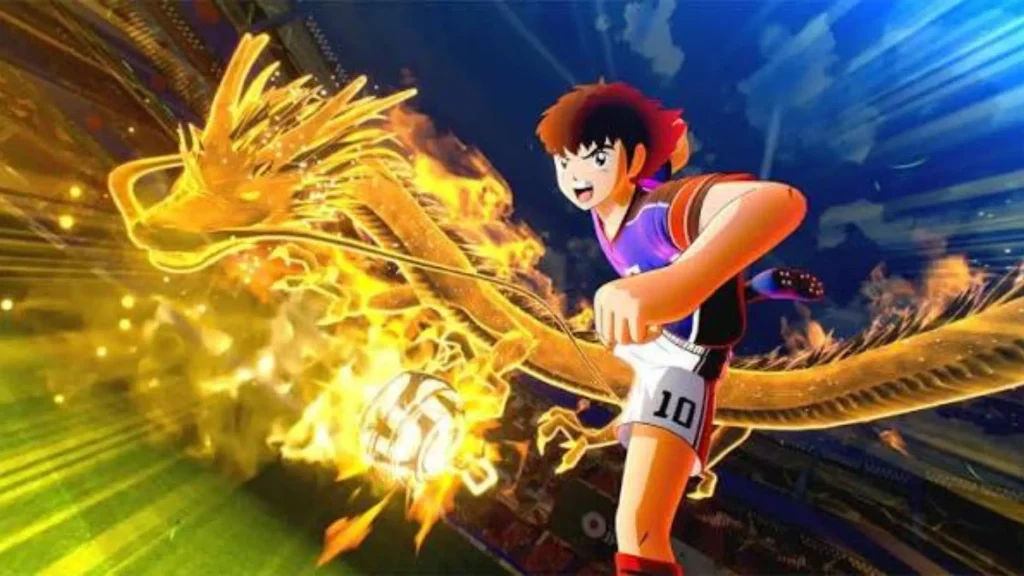
Player Progression and Stat Optimization
Player development in Captain Tsubasa II follows standard RPG conventions.
Performing successful actions—such as scoring goals, stopping attacks, completing passes, and winning command battles—yields experience points distributed at the end of matches.
Key character attributes include Guts, which represents the primary energy pool required to execute commands and special moves.
Kick and Shoot Power determines shot velocity and the probability of knocking back the goalkeeper.
Control and Dribble governs ball retention during close encounters, while Tackle and Interception enhances defense efficiency during ground and aerial challenges.
Leveling up increases base stat values, reducing the probability of failed actions even when executing basic commands.
Replaying challenging matches allows teams to gain extra experience points, making later tournament rounds far more manageable.
A comprehensive breakdown of individual character stats and special move costs is available via NamuWiki.
Strategic Stamina Management
Stamina management often separates novice players from tournament victors. Every movement, command choice, and special ability depletes a player’s Guts pool.
Once Guts drop too low, a player’s action success rate decreases drastically, leaving them unable to execute special techniques.
To preserve energy, avoid overusing special shots like Tsubasa’s Drive Shot or Hyuga’s Tiger Shot, saving them for key moments or formidable goalkeepers.
Use regular passes for midfield progression rather than draining energy on continuous dribbles.
Halftime provides an ideal window to monitor energy bars and swap out exhausted midfielders or defenders to maintain field presence.
++ Lonely Mountains Downhill: Navigate Beautiful Trails Without Crashing
Maintaining possession late in a half by passing back to defenders conserves stamina while running down the clock.
Tactical Formations and Squad Positioning
Selecting the correct formation shapes how your squad distributes space and responds to opponent attacks.
The 4-3-3 formation offers a balanced attack with excellent wing coverage, though it leaves the central midfield vulnerable if wingers push high.
The 4-4-2 setup provides high defensive stability and strong passing lanes, requiring high-stamina forwards to press alone.
The 3-5-2 structure overwhelms central space and maximizes passing options, but leaves flanks exposed to fast opposing wingers.
When facing aggressive offensive teams like Brazil or Italy, adopting a defensive 4-4-2 setup provides dense central coverage, helping disrupt passing combinations before attackers reach your penalty box.
Read more: Bassmaster Fishing 2022: Compete Against Pros in Elite Tournaments
Conversely, against defensive teams, a 3-5-2 formation overloads the midfield, creating open passing angles to set up aerial volleys and special shots near the penalty area.
Special Moves and High-Impact Plays
Special techniques define the signature style of Captain Tsubasa II. These animated, high-power moves can turn the tide of a difficult match when executed effectively.
When a pass enters the penalty box, the receiving player encounters an aerial command menu based on ball height.
High balls enable overhead header attempts, bicycle kicks, or special aerial shots like the Twin Shot. Low balls offer options for volley shots, direct header placements, or fake-outs.
++ Matchington Mansion: Decorate Every Room Through Puzzle Adventures
Understanding player specialties in aerial duels maximizes scoring efficiency, as certain strikers excel at low volleys while others achieve maximum shot power on high-ball bicycle kicks.
Practical Match Strategy for Victory
To consistently win matches throughout the story campaign, follow a structured game plan.
Begin with pre-match preparation by checking player energy levels and adjusting starting lineups based on opponent strengths.
During early game play, use basic passes to feel out opponent defensive ratings without exhausting high-cost Guts early.
Identify weak points by targeting defenders with low interception stats, funneling passes through their zones.
Capitalize on special moves by saving major techniques for close-range opportunities inside or right at the edge of the penalty box.
Finally, manage halftime effectively by rotating fatigued players and adjusting tactical formations if the opponent continuously exploits wing or central corridors.
Conclusion
Winning consistently in Captain Tsubasa II requires a balance of strategic foresight, smart stamina allocation, and tactical adaptability.
By mastering command-line choices, monitoring player Guts, and aligning team formations with opponent weaknesses, you can lead your squad through tough tournament brackets to secure international championships.
Practice these core strategies, refine your match management, and take your team to the top of the leaderboards.
Frequently Asked Questions
What is the best way to earn experience points quickly in Captain Tsubasa II?
Experience points are awarded based on individual player performance during matches.
Encouraging key players to complete successful passes, tackles, and shots—even in matches you eventually lose—allows your squad to gain valuable levels before retrying difficult fixtures.
How do special shots affect goalkeeper stamina?
Special shots place high physical demands on opposing goalkeepers. Even if a special shot is saved, it significantly depletes the goalkeeper’s Guts.
Repeatedly testing a goalkeeper with high-power shots early in a match makes them far more likely to concede goals in the second half.
Can low-level players beat top-tier international teams?
While skilled tactical decisions and optimal command selection can bridge a minor stat gap, facing top-tier teams with significantly underleveled players is extremely difficult.
If your attacks are consistently blocked and basic commands fail, replaying previous matches to level up base attributes is recommended.
++ Captain Tsubasa 2 World Fighters
++ Captain Tsubasa 2: World Fighters – 15 Details You May Not Know