
Anúncios
Look past the obvious nostalgia play—classic game remasters have quietly become the financial backbone of modern game publishing.
Gaming hardware moves forward at a breakneck pace, yet storefronts remain saturated with decades-old software.
We keep seeing titles from the PS2, GameCube, and Xbox eras pop up on contemporary systems with 4K textures, unlocked frame rates, and remapped controls.
But behind these shiny visual updates lies a sobering industry truth: building a brand-new AAA franchise from scratch has become an unsustainable gamble.
Bringing a proven classic to current hardware delivers predictable returns at a fraction of the risk.
Key Takeaways
- Financial Risk Mitigation: Remasters cost significantly less to produce than new AAA IPs while targeting an established, paying audience.
- Preservation Meets Profit: Enhanced releases bypass hardware obsolescence, keeping gaming history accessible on current storefronts.
- Lowering Entry Barriers: Updated controls and performance fixes welcome younger generations who never touched the original hardware.
- Platform Ecosystem Fuel: Digital storefronts rely on massive back catalogs to maintain subscription value and keep players engaged.
Why Are Game Publishers Prioritizing Classic Game Remasters?
With ballooning budgets easily crossing $200 million and production cycles stretching past six years, releasing a major game today feels like betting the entire studio on a single roll of the dice.
Publishers cushion these massive risks by filling schedule gaps with polished legacy releases. A solid remaster brings a built-in audience, automatic media coverage, and dependable sales metrics.
There is also a stealthy market validation step happening here. Publishers often use remasters as low-risk test balloons to gauge interest in long-dormant franchises.
If the remaster performs well, it greenlights a much larger budget for a full sequel or complete remake.
Inside development studios, these projects double as practical training grounds.
++ Seaside Escape: Solve Puzzles While Rebuilding a Beautiful Town
Junior developers learn how to navigate complex codebases and production pipelines on existing structures before getting tossed into the fire of a massive flagship project.
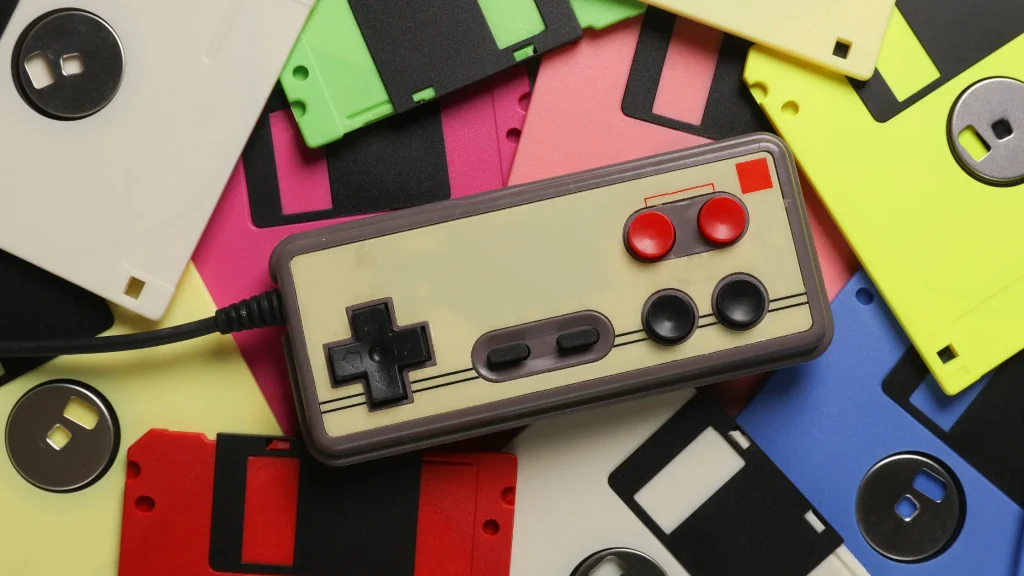
How Do Classic Remasters Differ From Full Game Remakes?
Marketing teams love blurring the lines between remasters, remakes, and ports, which often leaves players guessing what they are actually paying for.
The distinctions boil down to technical scope, engine architecture, and production cost.
A remaster preserves the original game engine, source code, and underlying logic.
Developers focus on cleaning up visual assets, upscaling textures, adding dynamic lighting, and updating performance targets to modern standards like 60 FPS and widescreen support.
A remake, on the other hand, throws out the original codebase entirely.
Read more: Solitaire Grand Harvest: Harvest Crops While Mastering Card Challenges
Developers rebuild the game from the ground up in modern engines, crafting new 3D models, re-recording voice lines, and redesigning mechanics to fit modern expectations.
| Feature | Port | Remaster | Remake |
| Codebase | Original code shifted to new OS | Original code patched and enhanced | Built entirely from scratch |
| Graphics | Native original resolution | Upscaled textures, 4K, lighting tweaks | Modern ray tracing and brand-new assets |
| Gameplay | Unchanged from original release | Minor quality-of-life polish | Overhauled mechanics and physics |
| Development Cost | Minimal | Moderate ($2M – $15M) | High ($50M – $150M+) |
| Typical Price | $10 – $20 | $30 – $40 | $60 – $70 |
Why Do Players Keep Buying Decades-Old Video Games?
Nostalgia is a powerful economic driver, but it only gets a sale across the finish line if the game remains fun to play.
Gamers who grew up with these titles now have disposable income but far less free time. Sliding back into a familiar world feels comfortable, avoiding the lengthy tutorial phase required by new franchises.
That comfort vanishes quickly if the mechanics feel ancient. Tank controls, fixed camera angles, and unforgiving save points do not age gracefully.
Remasters address these friction points by adding dual-analog movement, modern autosaves, customizable accessibility options, and quick-restart features.
According to research from the Entertainment Software Association, video games have become a primary bridge for cross-generational play.
Parents routinely buy remastered classics to share pivotal gaming experiences from their own childhoods with their kids without wrestling with outdated hardware.
How Do Remasters Solve the Game Preservation Crisis?
Digital decay and hardware failure threaten a massive portion of gaming history. Optical discs rot, vintage capacitors leak, and analog television sets disappear from living rooms.
Without active commercial maintenance, vast swaths of interactive media risk becoming completely inaccessible to the public.
Publishers face growing pressure from archivists and players to maintain software legacy.
Re-releasing older titles on modern digital storefronts creates a functional middle ground: it keeps gaming history alive while generating continuous passive revenue.
Digital storefronts and subscription platforms like Xbox Game Pass or PlayStation Plus also depend heavily on deep catalogs to keep subscribers from churning.
++ Outcast: A New Beginning: Explore Alien Lands and Fight Oppressors
Adding classic games strengthens those libraries instantly, offering immense perceived value between sparse AAA releases.
Will Generative AI Change How Classic Games Are Remastered?
Artificial intelligence is fast becoming the secret weapon behind modern remasters.
Instead of manually redrawing thousands of blurry textures, studios now deploy AI-driven upscaling models to sharpen low-resolution assets in minutes.
These machine learning pipelines preserve original artistic intent while dramatically cutting down labor costs. However, technical polish still requires human oversight.
The most successful remasters merge automated texture scaling with manual art direction, ensuring classic games look exactly how players remember them, rather than artificial or over-processed.
Frequently Asked Questions
What is the primary difference between a remaster and a remake?
A remaster updates the existing codebase with high-definition textures, performance fixes, and minor adjustments.
A remake rebuilds the entire title from scratch in a new engine, often altering art directions, sound design, and core mechanics.
Why are remastered games priced lower than new releases?
Remasters require smaller teams, shorter development cycles, and lower budgets because the fundamental design, script, audio, and level layouts already exist.
Studios pass those savings down, usually pricing remasters between $30 and $40.
Do classic game remasters perform well commercially?
Yes. Because production costs remain modest compared to original AAA titles, selling a few hundred thousand units often yields strong profit margins while keeping valued intellectual properties active in the public consciousness.
The Path Forward for Legacy Gaming
Classic game remasters are no longer a temporary trend—they are an established fixture of interactive entertainment.
They balance cultural preservation with economic necessity, ensuring that great game design outlasts the physical lifespan of the plastic hardware it originally ran on.
Checking your console’s digital store reveals just how many childhood favorites have quietly received visual overhauls and performance updates.
To explore broader historical archiving and digital media preservation efforts, visit the official Library of Congress Digital Collections.