
Planet of Lana: Solve Cinematic Puzzles in a Beautiful Alien World
Anúncios
Cinematic puzzle-platformers often struggle to strike a balance between mechanical complexity and emotional resonance.
Wishfully Studios resolved this tension by delivering a side-scrolling adventure that pairs deliberate pacing with tight, reactive controls.
In Planet of Lana, players step into a vibrant alien ecosystem that feels alive, threatening, and deeply atmospheric from the opening moments.
Navigating this world requires more than quick reflexes. Success hinges on reading subtle environmental cues, mastering stealth mechanics, and leveraging your bond with an agile alien companion named Mui.
Key Takeaways
- Planet of Lana blends hand-drawn visual storytelling with companion-based puzzle mechanics.
- The puzzle design relies on spatial awareness, timing, and coordinating commands with Mui.
- Platform availability spans Xbox, PC, PlayStation, and Nintendo Switch.
- Smart inventory and companion management remain essential to clearing late-game environmental obstacles.
What Makes Planet of Lana Stand Out in the Adventure Genre?
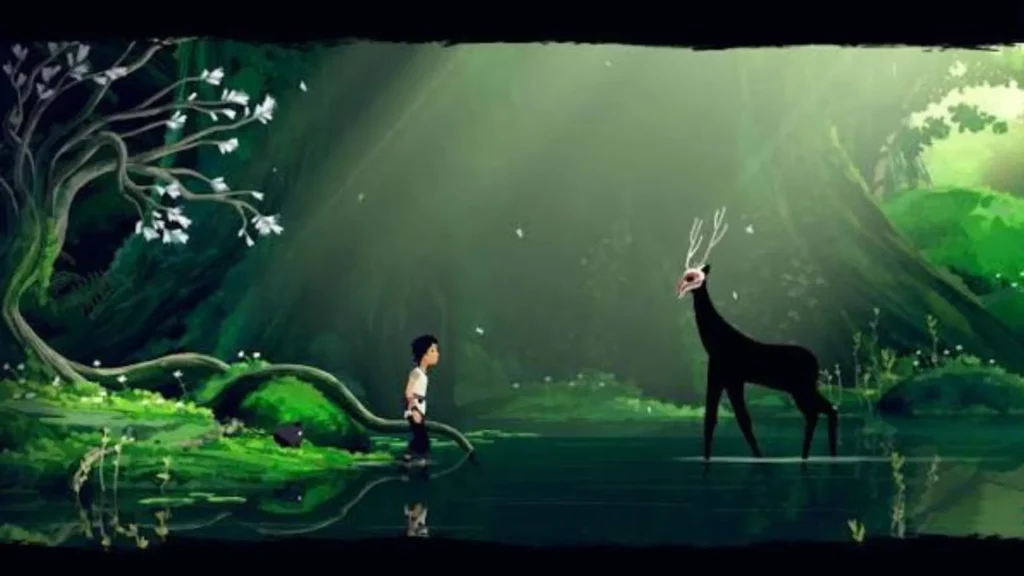
Visually, the title captures the artistic spirit of Studio Ghibli while maintaining a unique sci-fi identity.
Hand-painted backdrop art creates depth, drawing the eye across sprawling grassy plains, dense forests, and rusted subterranean facilities.
Sound design plays an equally vital role; atmospheric audio cues signal danger long before aggressive machinery appears on screen.
Unlike traditional platformers that rely on complex skill trees or expansive combat systems, the gameplay remains focused on environmental problem-solving.
Mechanically, the game draws inspiration from genre benchmarks like Inside and Limbo, yet it avoids gratuitous cruelty.
For a broader look at how independent development reshaped narrative platforming, explore the historical impact of indie game development on modern game design.
How Do You Solve the Core Puzzles in Planet of Lana?
Progress requires a combination of lateral thinking, environmental manipulation, and precise timing.
The game constantly introduces new mechanics, ensuring that challenges evolve naturally rather than repeating the same tropes.
++ Bob the Robber: Sneak Past Guards and Pull Off the Perfect Heist
Mastering the Companion Mechanics
Mui is not merely a cosmetic follower; the creature acts as an essential extension of your toolkit.
You can command Mui to stay, follow, interact with specific organic nodes, or lure dangerous wildlife into designated areas. Learning when to split your characters is the single most important skill to master.
Understanding Environmental Interaction
Stealth and Cover: High grass and dark recesses allow you to bypass lethal security drones.
Physics and Weight: Moving crates, activating pressure plates, and balancing platforms open paths through ancient ruins.
Read more: Temple of Boom: Survive Dangerous Challenges and Discover Hidden Treasures
Alien Flora and Fauna: Hypnotizing local creatures or using tentacled organisms as springboards transforms hostile environments into viable routes.
| Game Phase | Primary Puzzle Focus | Key Challenge Type | Average Completion Time |
| Early Game | Basic movement & stealth | Line-of-sight evasion | 1.5 Hours |
| Mid Game | Dual-character coordination | Synchronized platforming | 2.5 Hours |
| Late Game | Complex logic & audio cues | Symbol decoding & timing | 2.0 Hours |
Why Is Character Coordination Essential for Survival?
Individual actions rarely yield results during advanced sequences. Lana possesses the physical reach to haul heavy objects and climb ropes, but her speed and jump height are limited.
Mui jumps significantly higher, reaches tight crawls, and interacts with alien organisms that ignore human commands.
Complex hazards demand split-second coordination. For instance, Lana might need to draw a patrolling drone’s line of sight away from a terminal, allowing Mui to scramble through a vent and sever the machine’s power source.
++ How Fan-Made Game Wikis Became Essential Gaming Tools
Failing to synchronize these movements results in swift resets, though generous checkpoints keep frustration to a minimum.
Which Audio and Visual Cues Reveal Hidden Collectibles?
Attentive players will notice subtle environmental shifts signaling secret paths. Hidden shrines and music boxes often sit behind cracked walls or dense foliage slightly off the main route.
Listening closely to the ambient soundtrack provides subtle musical tones that grow louder as you approach a hidden alcove.
Keeping an eye on Mui’s visual reactions also helps, as your companion frequently turns toward concealed passages before they enter your direct line of sight.
How Does the Soundtrack Enhance Environmental Puzzle Solutions?
Sound design serves as a vital mechanics engine rather than simple background music.
Late-game machinery puzzles directly require decoding pitch frequencies and melodic sequences to unlock ancient doorways.
Harmonizing ambient creature calls with mechanical tones creates natural audio patterns that guide your timing during complex stealth sequences.
By treating the musical score as an interactive map, players can anticipate patrol movements and solve intricate audio-based logic gates without relying purely on trial and error.
What Strategies Help You Overcome Late-Game Logic Challenges?
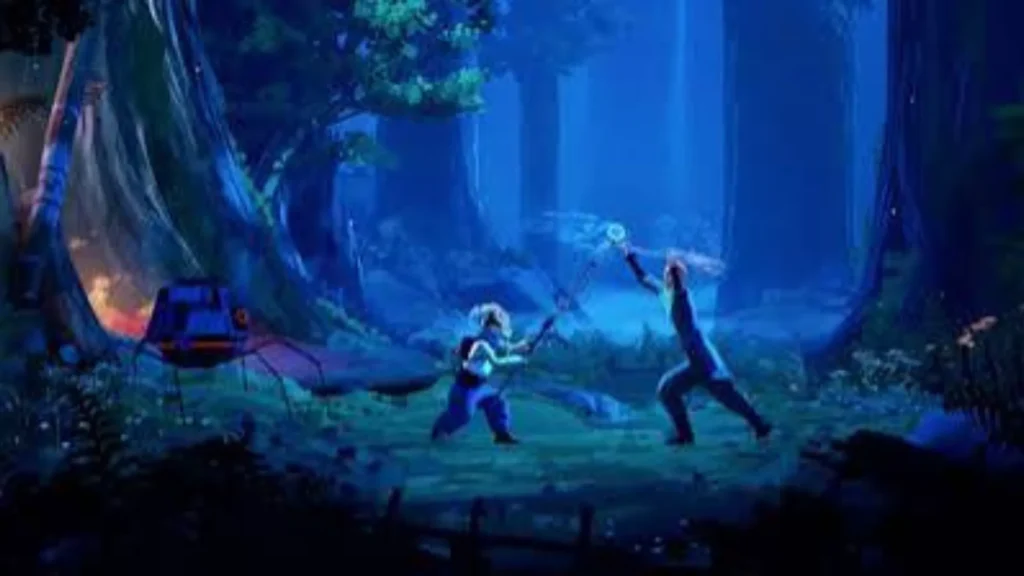
As you approach the final chapters, the puzzles shift from spatial platforming toward intricate logic tests involving alien symbols and musical tones.
Pay close attention to background murals; many panels contain subtle solutions hidden in plain sight.
Testing hypotheses systematically prevents unnecessary backtracking. Listen closely to pitch changes in the score, as sound design frequently confirms whether an input aligns with the intended solution.
Gamers interested in how interactive media affects cognitive problem-solving can review research published by the National Institutes of Health.
Setting out across this painted world offers a refreshing, focused adventure that respects player intelligence.
By leaning into companion dynamics and environmental storytelling, Planet of Lana earns its place among the most memorable cinematic puzzle-platformers of recent years.
Frequently Asked Questions
Is Planet of Lana available on all major gaming platforms?
Yes, the title is available on Xbox Series X/S, Xbox One, PC (via Steam and Windows Store), PlayStation 4, PlayStation 5, and Nintendo Switch. It is also included in select subscription services like Xbox Game Pass.
How long does it take to complete a full playthrough?
A standard playthrough takes approximately 4 to 6 hours. Completionists seeking all hidden music boxes and secret achievements may require an extra hour or two of exploration.
Does the game feature combat systems or boss battles?
The experience relies entirely on stealth, evasion, and environmental puzzles rather than direct combat.
Encounters with hostile machines and aggressive fauna require strategy, timing, and distraction rather than weapons.
Is Planet of Lana suitable for casual gamers?
Accessible controls and forgiving checkpoint placements make the game approachable for players of various skill levels.
While late-game logic puzzles present a rewarding challenge, the mechanics remain intuitive throughout.
++ Planet of Lana’s simplicity lets its heartwarming cinematic adventure shine
