Anúncios
In Island Survival 3D, every second counts as hunger, thirst, extreme weather, and aggressive wildlife constantly threaten your progress.
Washing up on a deserted shoreline with empty pockets and zero shelter tests your instincts immediately.
Whether you are a newcomer trying to survive your first night or an experienced player looking to optimize your base-building strategy, mastering resource management is the difference between thriving on the island and starting over from scratch.
Key Takeaways
- Prioritize immediate hydration and shelter: Securing clean water and basic overhead cover during your first daylight cycle prevents early health depletion from dehydration and exposure.
- Craft tiered tools in logical order: Moving quickly from basic stone implements to durable metal gear dramatically increases your gathering speed and defensive reach.
- Balance exploration with base defense: Scouting inland ruins and coastlines unlocks rare blueprints, while perimeter fortifications protect your stored supplies from nocturnal predators.
- Manage stamina and inventory weight: Carrying excess raw materials slows movement speed and drains energy, making localized storage chests essential before long expeditions.
What Is Island Survival 3D and How Does the Gameplay Loop Work?
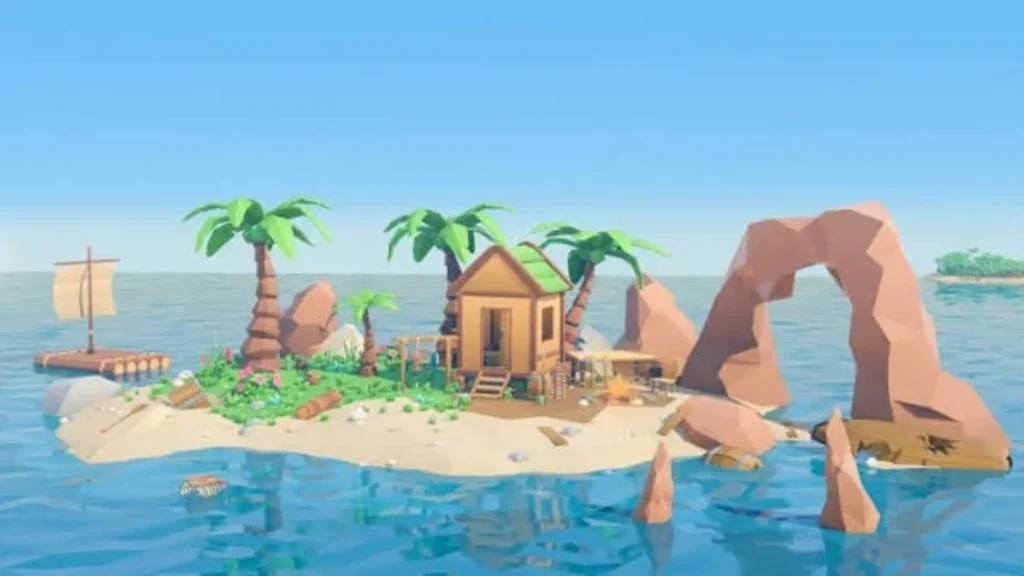
Island Survival 3D is an open-world sandbox survival adventure that drops players onto an uncharted tropical archipelago filled with dynamic hazards and hidden secrets.
Unlike linear action games, the experience revolves around an emergent gameplay loop of scavenging, crafting, building, and adapting to shifting environmental conditions.
Your character tracks several core survival metrics simultaneously: health, hydration, caloric energy, stamina, and body temperature.
Neglecting any single gauge creates cascading penalties. For example, severe dehydration limits your maximum stamina regeneration, which in turn reduces your ability to sprint away from hostile fauna or swing heavy harvesting tools.
Understanding Your Starting Environment
Most spawns occur along sandy coastal flats bordered by dense tropical foliage and rocky cliffs.
Beaches offer low-visibility threats and easy access to driftwood, loose stones, and washed-up crates, making them ideal for your first temporary camp.
Moving deeper inland introduces thicker timber, mineral deposits, and higher-tier loot, alongside territorial predators and venomous wildlife.
Which Resources Should You Gather First to Survive Day One?
New players often make the mistake of wandering inland before establishing a reliable supply baseline.
During your first ten minutes on the island, focus exclusively on fundamental materials found near the shoreline and forest edge.
Loose Stones and Pebbles: Collect small rocks along the tide line to craft your first basic stone hatchet and pickaxe.
Fibrous Plants and Vines: Harvest tall coastal grasses and low shrubs to weave cordage, which binds primitive tools and secures early shelter frames.
Driftwood and Small Branches: Gather fallen timber before attempting to fell mature trees, preserving your stamina and tool durability.
Coconuts and Wild Berries: Look for fallen coconuts near palm groves for an immediate combination of hydration and quick calories.
++ Little Kitty, Big City: Explore Urban Streets as a Curious Cat
Clay and Flat Shale: Check riverbanks and tidal pools to gather materials needed for an early campfire pit and basic water boiling vessels.
Basic Resource Gathering Priorities
| Resource Category | Primary Locations | Immediate Crafting Uses | Priority Level |
| Timber & Branches | Beaches, forest perimeters | Campfires, wooden spears, basic lean-to walls | High |
| Stone & Flint | Shorelines, rocky outcrops | Hatchets, pickaxes, fire starters, arrowheads | High |
| Plant Fibers | Grasslands, jungle undergrowth | Rope, cloth wraps, fishing lines, bandages | High |
| Fresh Water & Fruit | Palm groves, inland streams | Hydration restoration, stamina recovery | Critical |
| Iron & Copper Ore | Cliff faces, cave entrances | Reinforced tools, metal weapons, storage locks | Medium |
How Do You Secure Clean Water and Food Safely?
Starvation takes days to become fatal, while dehydration can incapacitate your character within a single in-game afternoon.
Read more: The Star Named EOS: Capture Memories Through Photography Puzzles
Relying solely on raw fruit will not sustain your hydration meter once you begin sprinting, swimming, and chopping hardwood.
Building a Reliable Water Supply
Start by constructing a basic campfire and crafting a clay pot or salvaged metal container. Collecting seawater from the coast and boiling it over a sustained fire yields potable fresh water.
Once you gather enough palm leaves, bamboo, and rope, construct a solar still or rain collector near your camp to generate passive water supplies while you explore.
In real-world wilderness survival, the National Park Service notes that bringing water to a rolling boil for at least one minute is the most reliable method to eliminate disease-causing pathogens.
Island Survival 3D mirrors this principle closely—consuming unboiled stream water or stagnant pond water risks triggering sickness debuffs that rapidly drain hydration and health.
Hunting, Fishing, and Foraging Strategies
Early food sources should carry minimal combat risk.
Spearfishing in shallow coral reefs provides a steady supply of protein without expending expensive ammunition or risking injury from land predators. Keep these practical food habits in mind:
Cook meat immediately: Raw fish and game spoil quickly in tropical heat and cause severe food poisoning if eaten uncooked.
Use elevated platforms for hunting: When tracking aggressive boars or big cats inland, fire arrows from rocky ledges or wooden watchtowers to avoid direct melee damage.
++ NASCAR 26: Master Race Strategy and Chase the Championship
Plant a small crop plot: Save seeds from harvested wild vegetables to establish a sustainable garden inside your base perimeter.
How Should You Build and Defend Your Island Base?
A well-placed shelter protects you from nocturnal temperature drops, tropical storms, and roaming threats.
Avoid building directly on the wet tide line, where storm surges can damage low foundations, or deep inside dense jungle thickets where sightlines are obstructed.
Choosing the Ideal Base Location
An elevated coastal plateau near a freshwater stream offers the best strategic balance.
You gain clear visibility across approaching terrain, quick access to marine resources, and natural cliff barriers on at least one side to reduce the number of walls you must build and maintain.
Essential Structural Upgrades
Start with a compact 2×2 wooden foundation housing a bedroll, campfire, workbench, and two storage chests.
Once your basic crafting stations are covered by a roof, expand outward systematically:
Reinforce exterior walls: Upgrade thatch and softwood walls to hardwood or stone as soon as your resource production allows.
Install perimeter spikes: Place sharpened wooden stakes outside vulnerable wall sections to deter nocturnal predators from breaking down doors.
Elevate your sleeping quarters: Building a second-story loft keeps your respawn point and rarest loot safe even if ground-level defenses are breached.
What Are the Best Tips for Exploring Dangerous Inland Zones?
Progressing into higher-tier crafting requires venturing into caves, abandoned research outposts, and volcanic ridges. Preparation prevents costly death runs across the map.
Before departing your base, check your armor durability, pack at least two full canteens of boiled water, and carry herbal bandages to stop bleeding effects immediately.
According to the American Red Cross, checking weather conditions and packing essential emergency supplies before entering unfamiliar terrain are critical habits for avoiding preventable wilderness emergencies.
In the game, heading into deep caves without spare torches or venturing onto exposed ridges during an approaching squall can quickly trap you in zero-visibility conditions.
Combat and Stealth Tactics
Not every encounter requires a fight. Crouching through dense ferns reduces your detection radius, allowing you to slip past apex predators when your inventory is full of heavy ore.
When combat is unavoidable, manage your stamina carefully—never deplete your entire stamina bar on consecutive heavy attacks, or you will be unable to dodge or block incoming lunges.
Conclusion
Surviving the hostile environment of Island Survival 3D comes down to disciplined prioritization: secure clean water and shelter first, upgrade your gathering tools systematically, and never venture into uncharted territory without backup supplies.
Once your coastal camp is self-sustaining with passive water collectors and reinforced walls, your next logical step is to craft a set of leather or metal armor and begin mapping the island’s interior cave systems for rare crafting materials.
Frequently Asked Questions
What is the fastest way to get fresh water in Island Survival 3D?
Gathering coconuts from coastal palm trees gives you immediate hydration during your first few minutes.
For a sustainable supply, craft a campfire and boil seawater in a clay or metal container, then build a rain collector as soon as you unlock the blueprint.
Where can you find metal ore and rare blueprints?
Iron and copper deposits spawn primarily along rocky cliff faces, mountain ridges, and inside subterranean cave networks.
Rare crafting blueprints are typically found inside locked supply crates at abandoned coastal camps and inland ruins.
How do you stop losing health during tropical storms?
Severe rain and wind trigger hypothermia or exposure debuffs if you remain outdoors without proper gear.
Retreating inside a fully enclosed shelter with a roof and standing near an active campfire quickly restores your body temperature and halts weather-related health loss.
Should you build your first base on the beach or in the jungle?
Building near the edge of the beach—just above the high-tide line and close to the tree line—is best for beginners.
It keeps you close to driftwood, stones, and fishing spots while maintaining clear sightlines to spot approaching predators early.
++ Survive and Thrive in the Wild: Tropical Island Survival 3D