
The Star Named EOS: Capture Memories Through Photography Puzzles
Anúncios
When indie developer Silver Lining Studio launched The Star Named EOS, puzzle adventure gamers experienced a unique narrative mechanic centered around photo creation and perspective manipulation.
Moments fade, but the photographs we take hold onto them like physical anchors.
If you are searching for a story-driven cozy game that blends cozy exploration with artistic problem-solving, The Star Named EOS delivers a distinct emotional journey that stands out in the narrative adventure category.
This guide explores the gameplay mechanics, emotional storytelling, puzzle design, and technical features of The Star Named EOS. Below is a quick overview of what this article covers.
- Core Narrative Premise: How Dei’s journey to find his mother shapes the world.
- Photography-Driven Mechanics: Recreating old photos to unlock hidden memories.
- Puzzle Architecture: Comparing perspective puzzles with classic point-and-click titles.
- Visual Art & Audio: Hand-drawn aesthetics and atmospheric soundscapes.
- System Performance: Hardware requirements and gameplay accessibility across platforms.
What Is The Star Named EOS?
The Star Named EOS is a first-person narrative puzzle adventure game created by Silver Lining Studio, the creators behind Behind the Frame.
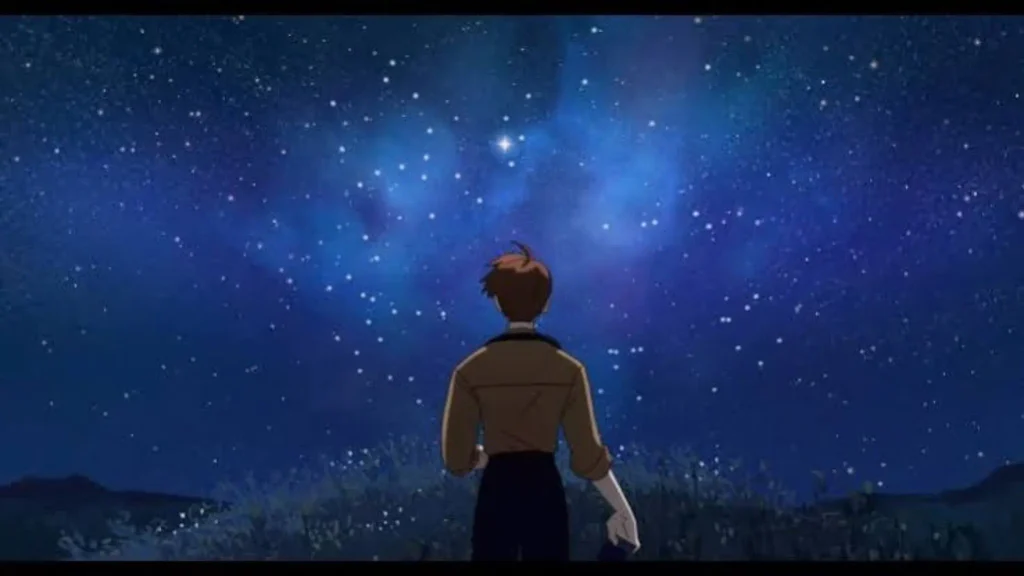
Players control Dei, a young photographer who receives letters and old photographs from his traveler mother.
As Dei recreates his mother’s pictures, he unravels a long-held family mystery.
The title weaves traditional 360-degree point-and-click interaction with photography-based puzzle mechanics.
Rather than focusing on twitch reflexes or punishing survival systems, gameplay prioritizes observation, spatial reasoning, and spatial arrangement.
The core gameplay loop centers on receiving letters and old photos, exploring hand-drawn rooms, gathering objects, adjusting lighting, matching perspective, and snapping photos to reveal hidden memories.
How Do Photography Puzzles Work in The Star Named EOS?
Photography forms the foundation of every puzzle in the game. Players move through detailed 360-degree environments, searching for clues, collecting key items, and configuring props to match historic photos.
To solve a snapshot puzzle, you must identify specific objects featured in your mother’s letters.
Once you find the required props, you set them up in the environment, adjust the camera lens, and match the original photo’s composition, angle, and lighting conditions.
Recreating Historical Framing: Reconstruct scenes down to the precise angle and prop placement.
Interactive Prop Manipulation: Inspect, rotate, and combine inventory items to rebuild forgotten moments.
Environmental Storytelling: Every background item, from coffee mugs to old books, enriches the world’s lore.
Perspective Realignment: Shift camera positioning to reveal hidden focal points within three-dimensional space.
Why Is the Narrative Structure So Impactful?
Storytelling in cozy adventure games often relies heavily on dialogue. The Star Named EOS takes a visual approach, relying on object interaction and photo matching to advance its emotional arc.
Dei’s relationship with his mother unfolds gradually through environmental clues rather than long exposition dumps.
This design keeps players invested in uncovering the truth behind her absence.
According to video game preservation research from the Library of Congress, digital games serve as an increasingly vital medium for storytelling, memory preservation, and cultural expression.
By connecting gameplay actions directly to Dei’s emotional state, the developer creates a personal link between the player and the protagonist.
Reconstructing a photograph feels like uncovering a real memory rather than completing a checklist.
How Does It Compare to Other Narrative Puzzle Games?
Narrative puzzle games vary widely in mechanics, difficulty, and visual presentation. To understand where The Star Named EOS fits within the adventure genre, compare it against similar titles.
++ Lost Pyramid: Escape Ancient Traps and Work Together to Find the Exit
| Game Title | Primary Mechanic | Visual Style | Average Playtime | Narrative Tone |
| The Star Named EOS | Photo Reconstruction & 360° Exploration | Hand-Drawn Animation | 3 – 4 Hours | Emotional & Nostalgic |
| Behind the Frame | Painting & Sketching | Studio Ghibli-Inspired | 1 – 2 Hours | Warm & Melancholic |
| Unpacking | Item Placement & Organization | Pixel Art | 3 – 5 Hours | Subtle & Reflective |
| The Room Series | Box Manipulation & Mechanical Locks | Realistic 3D | 4 – 6 Hours | Mysterious & Atmospheric |
| Viewfinder | Perspective Rewriting & Instant Photos | Rendered 3D | 5 – 6 Hours | Mind-Bending & Spatial |
What Are the Key Technical and Audio Features?
Atmosphere plays a crucial role in narrative-driven adventure games. The Star Named EOS combines hand-drawn visual layers with a fully orchestrated acoustic soundtrack that responds dynamically to player progress.
Read more: Planet of Lana: Solve Cinematic Puzzles in a Beautiful Alien World
Hand-Drawn Visuals
The game features rich, hand-painted artwork reminiscent of feature-length animation films. Every scene functions as a panoramic illustration where players can rotate their view to examine every corner.
Acoustic Sound Design
Soothing piano melodies, acoustic guitar riffs, and ambient environmental audio complement the visual presentation. The gentle soundtrack keeps players focused during trickier puzzle sequences without inducing fatigue.
++ Bassmaster Fishing 2022: Compete Against Pros in Elite Tournaments
Accessibility and Controls
Developers engineered the control scheme for accessibility across PC, console, and touchscreen devices. Point-and-click mechanics ensure smooth navigation whether using a mouse, gamepad, or touch interface.
Which Platform Should You Play It On?
The Star Named EOS is available across major gaming platforms, offering consistent performance thanks to its optimized engine and static perspective layout.
PC (Steam / GOG): Ideal for players who prefer precise mouse controls when aligning camera angles and managing inventory.
Nintendo Switch: Perfect for portable handheld play, allowing intuitive touch input for camera adjustments.
PlayStation 5 & Xbox Series X/S: Delivers high-resolution artwork on large screens with gamepad support.
For hardware guidelines, display standards, and consumer safety details regarding modern gaming platforms, consult official guidelines on the U.S. Federal Communications Commission website.
Summary of the Journey
The Star Named EOS offers an engaging blend of artistic storytelling, photography puzzles, and emotional depth.
Silver Lining Studio successfully built upon the foundation of Behind the Frame, creating a memorable adventure that values player observation and emotional resonance over complex mechanics.
Whether you enjoy cozy point-and-click adventures or want a short, impactful story, this game delivers a rewarding experience.
Take your time exploring every scene, inspect every object, and capture the memories hidden within each frame.
Frequently Asked Questions
How long does it take to complete The Star Named EOS?
Most players complete the main story in 3 to 4 hours. Completionists seeking all secret achievements and hidden collectible photos may take around 5 hours.
Do I need to play Behind the Frame before playing this game?
No. The Star Named EOS features a standalone story with new characters, settings, and gameplay systems. While it shares a similar art style and narrative heart, prior knowledge is unnecessary.
Is The Star Named EOS suitable for casual gamers?
Yes. The game features relaxed mechanics, no game-over screens, and no time limits. Puzzles focus on logic, observation, and spatial awareness, making the game accessible to players of all skill levels.
Does the game feature full voice acting?
The game includes voiced narrative segments during key plot moments, alongside text-based letters and environmental storytelling to convey its core narrative.
++ From Snapshot to Eternity: How The Star Named Eos Transforms Photos into Puzzles
++ The Star Named EOS review — Motherly memories
